

























































This article originally appeared in the Matador Network insider newsletter. For more deep dives into the professional travel lifestyle, subscribe to our free Substack.
If you are an occasional traveler—the kind who takes a summer vacation and a holiday trip home—loyalty programs are essentially white noise. In those cases, the advice is simple: buy the cheapest fare, pocket whatever miles happen to drift your way, and don’t lose sleep over status tiers.
However, for the frequent flyer who spends at least one week a month in the sky, the landscape shifts entirely. At this volume, loyalty isn’t just about collecting "free stuff"; it is a strategic financial tool. As a travel editor, I have spent years experimenting with complex credit card churning, point-stacking, and multi-airline arbitrage. I have learned that the "ultimate hack" isn’t a secret website or a loophole—it is the disciplined, almost boring, practice of radical loyalty to a single ecosystem.
The Core Philosophy: Why Consolidation Beats Diversification
The biggest mistake frequent travelers make is believing they must "play the field" to win. Many travelers spread their loyalty across three or four carriers, chasing whichever airline offers the flashiest sign-up bonus or the cheapest seat during a flash sale.
Unless you are a "road warrior" logging 10 or more flight segments every single month, this is a losing game. By splitting your spending, you ensure that you remain a "nobody" in every program. You earn just enough miles to cover a domestic short-haul flight once every two years, and you never hit the status thresholds required to unlock the real benefits: upgrades, free checked bags, and priority boarding.
To maximize your travel ROI, you must choose one airline and one alliance, and stick to them with religious consistency.

A Chronology of Strategy: From Occasional Flyer to Status Holder
My own journey toward this philosophy was born out of trial and error. Years ago, I lived in Denver, a major United Airlines hub. I joined MileagePlus not because of deep research, but out of necessity. As I transitioned into a professional travel role, that initial choice became the bedrock of my travel strategy.
The "Big Win" Moment
The turning point for me was recognizing that loyalty programs act as a force multiplier for major life expenses. Just before my daughter was born, I opened a new rewards card. I funneled the significant, unavoidable out-of-pocket costs of childbirth through that card. By hitting the sign-up bonus threshold, I earned enough miles to take my newly expanded family on a five-day vacation to Mexico. That wasn’t luck; it was financial planning.
The Shift to Simplification
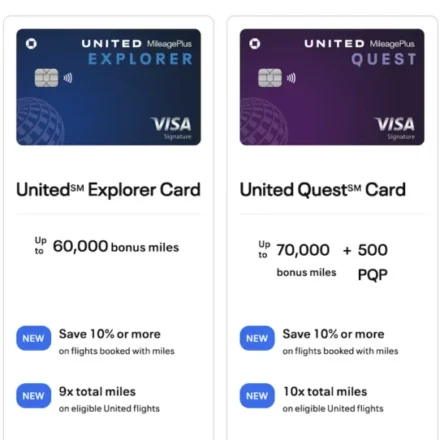
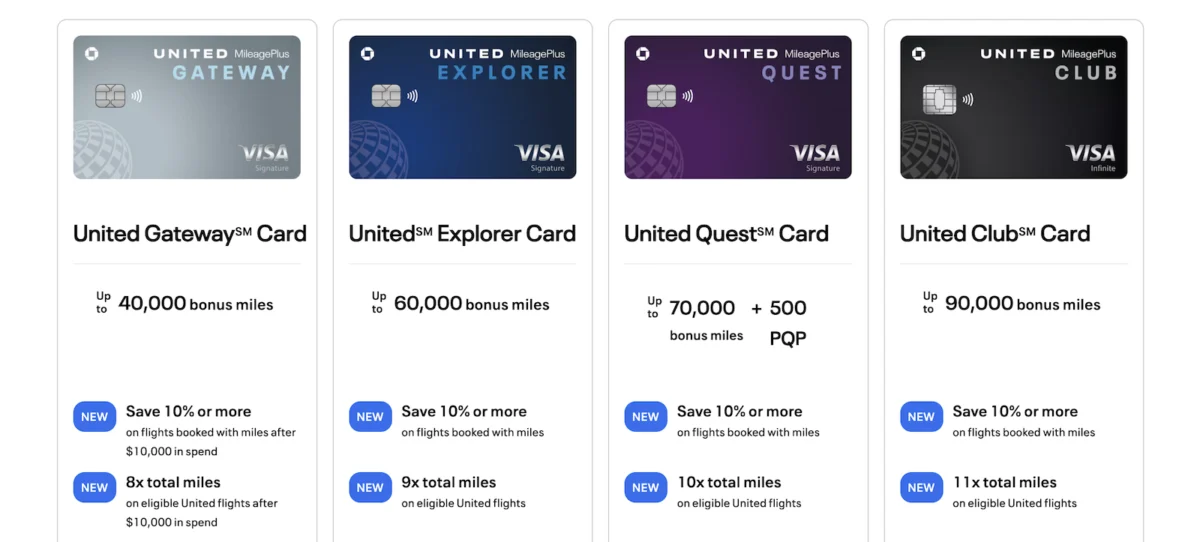
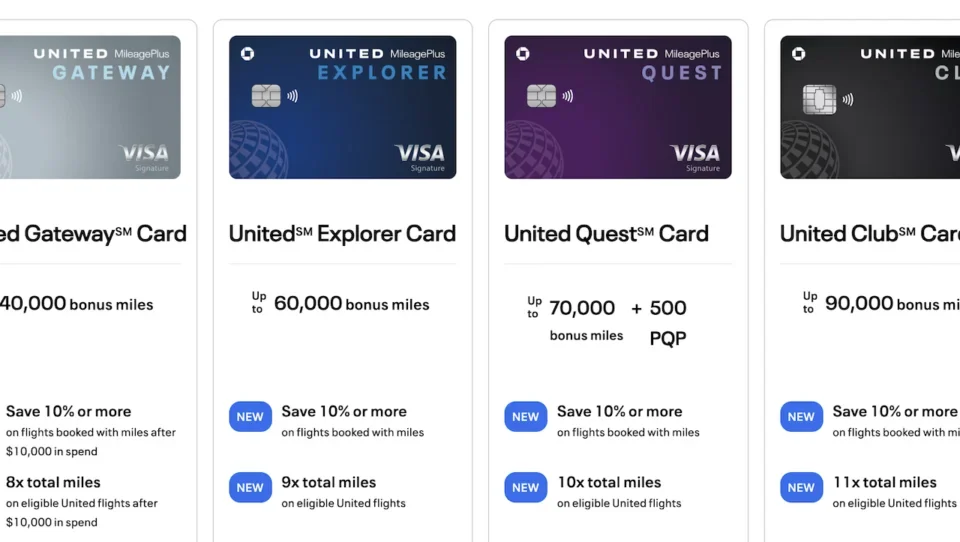
Until recently, I was a proponent of holding high-fee premium credit cards like the Chase Sapphire Reserve. For $550 a year, it offered great value via Priority Pass and flexible points. However, when the annual fee jumped to $795, I re-evaluated. I realized that my most consistent value wasn’t coming from a general-purpose card—it was coming from my airline-specific card (the United MileagePlus Explorer card). I canceled the premium card, liquidated the points, and doubled down on the United ecosystem.
Supporting Data: The Math Behind the Loyalty
To understand why consolidation works, one must look at the math of "flight segments." Most airline programs, including United’s, calculate status not just on revenue, but on the frequency of your travel.
Living in Palisade, Colorado, I fly out of Grand Junction Regional Airport (GJT). Because GJT is a smaller airport, almost every flight I take includes a connection through Denver (DEN).
- The Math: By flying GJT-DEN-Destination, I earn credit for two flight segments per trip rather than one.
- The Result: This simple geographic reality, when combined with a consistent policy of always booking United or Star Alliance partners, allows me to hit Silver status annually and often pushes me toward Gold.
Annual Yield
On average, I accumulate roughly 150,000 MileagePlus points per year. In real-world value, that translates to between $1,500 and $2,000. These points are not wasted on low-value items; they are reserved for high-leverage redemptions, such as international business class upgrades.

Implications: The "Soft Perks" vs. The "Hard Savings"
There is a common misconception that airline status is only about the occasional first-class seat. While I did receive my first-ever first-class upgrade last month—after a full decade of membership—the real value of loyalty isn’t found in the front of the plane. It is found in the daily reduction of travel friction.
The "Chic" Efficiency
When you maintain status, you stop paying the "hidden taxes" of modern air travel:
- Checked Bags: I haven’t paid for a checked bag in years. Even when I am traveling for work and not using my branded credit card, my status carries over.
- Boarding Hierarchy: Being in Group 2 means I never have to fight for overhead bin space. It is a psychological benefit that lowers travel anxiety.
- Lounge Access: Having the ability to slip into a United Club for a coffee or a quiet place to work during a layover transforms a grueling travel day into a manageable one.
The Business Class Payoff
The ultimate implication of this strategy is the ability to bridge the gap between "economy comfort" and "true luxury." Because I don’t split my points, I had enough to upgrade a long-haul flight from San Francisco to Istanbul on Turkish Airlines (a Star Alliance partner). Paying for that seat in cash would have been prohibitive; using the points I had "stuck" to one program to earn made it an accessible, life-changing upgrade.
Official Stance: The "Rules of Engagement"
While I am a staunch advocate for loyalty, it is not a religion. I follow a strict set of rules to ensure my strategy remains profitable:
- The "Pay-Off" Mandate: I pay off my credit card statement in full every single month. The interest rates on travel rewards cards are predatory; if you carry a balance, you are effectively paying 20%+ in interest to earn 2% back in points. It is a losing trade.
- The Geography Exception: I only break my "United-only" rule if the connection is geographically or financially absurd. If I am traveling to a region where Star Alliance has no footprint, I will book the most logical carrier. Loyalty should serve the traveler, not enslave them.
- The Spend Threshold: I use my branded card for all recurring monthly bills and any purchase over $20. This "passive" earning accounts for several thousand points a month, even when I am not in the air.
Final Reflections
In an era where travel is increasingly transactional and commoditized, the "hack" is to build a relationship with one carrier. By doing so, you move from being a customer to being a stakeholder. You get the priority, you get the upgrades, and you get the peace of mind that comes from knowing exactly what to expect when you walk into the terminal.
So, if you see me at the gate, I’ll be the one in Group 2, walking past the crowds with a free checked bag and a clear plan. That is the true value of loyalty—not the points themselves, but the ease with which you can navigate a world that is designed to be difficult.