

























































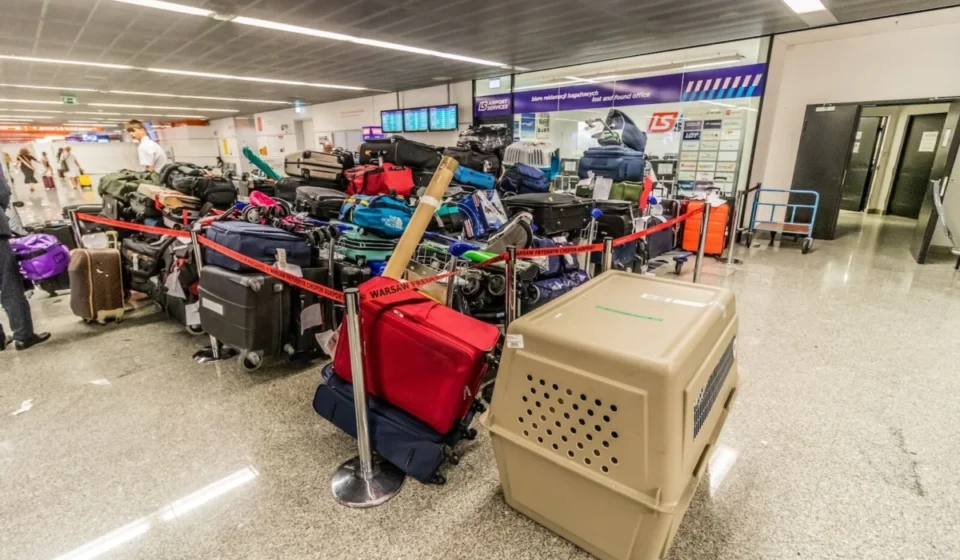

For the modern traveler, few experiences are as anxiety-inducing as the moment the baggage carousel stops rotating, the crowd thins, and your suitcase remains a no-show. It is the stuff of travel nightmares—standing alone in a terminal, stripped of your belongings, facing the daunting prospect of a vacation without your gear. However, aviation experts suggest that while the fear is pervasive, the actual occurrence of truly "lost" luggage is remarkably rare.
Understanding the mechanics of air travel, the protections afforded to passengers, and the exact steps to take when a bag goes missing is essential for any frequent flyer. By shifting from panic to process, travelers can navigate these incidents with confidence and ensure their assets—and their vacation—are protected.
The Myth of the Lost Bag: Understanding the Odds
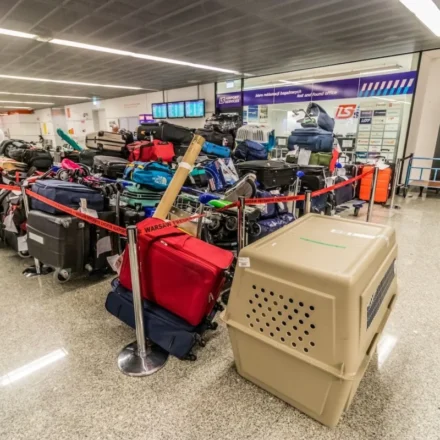
First, it is vital to contextualize the scale of the problem. Despite the high-profile news stories of "baggage graveyards" and airport pile-ups, the statistical probability of a passenger losing their luggage is minuscule.
"Less than one percent of all U.S. flyers face lost, delayed, or damaged bags," explains Scott Mayerowitz, founder of GlobeTrotScott Strategies and former executive editor at The Points Guy.
The overwhelming majority of these incidents are not "losses" in the permanent sense; they are "delays." A bag is rarely lost to the ether. Instead, it has been misrouted, left behind during a frantic connection, or sidelined by a mechanical issue. Ross Feinstein, a consultant and aviation expert who previously led communications for American Airlines and the TSA, emphasizes this distinction: "The majority of mishandled bags occur usually during irregular operations—which could be the result of weather delays, cancellations, or a mechanical issue. Usually, that’s when we see bags piling up, especially during major storms that delay and cancel a large number of flights."
When major hubs like Atlanta, Chicago, Dallas, or Houston experience severe summer thunderstorms, the cascading effect on logistics is immediate. Planes are held, crews time out, and baggage handling teams are overwhelmed. In these moments, bags are often left on the tarmac or placed on the wrong aircraft. However, thanks to modern tracking, these bags are almost always reunited with their owners within 24 to 48 hours.
A Chronology of a Mishandled Bag
To understand how a bag goes "missing," one must look at the lifecycle of a checked suitcase. From the moment you drop it at the counter, it passes through a series of automated scans and human handling.
- Check-in and Tagging: The bag is weighed and tagged with a unique barcode. In modern systems, this tag is often paired with an RFID (Radio Frequency Identification) chip.
- The Sorting Facility: The bag moves through a high-speed conveyor system where lasers read the barcode to direct the bag to the correct pier.
- The Ramp Transfer: Ground crew members load the bag into a container or directly into the cargo hold of the aircraft. This is the most vulnerable point; if a flight is delayed or a connection is tight, the bag may miss the "window" for loading.
- The Arrival: Upon landing, the bag is unloaded and moved to the carousel.
If the chain breaks—usually during a tight connection—the bag is typically held at the connecting airport until the next available flight. Airlines now use sophisticated software to automatically re-route these bags, meaning the "lost" bag is often already on a plane headed to your destination before you have even realized it is missing.
Supporting Data and Technological Safeguards
The landscape of baggage handling has undergone a revolution in the last decade. Gone are the days of manual, paper-based tracking. Today, the integration of real-time digital tracking has empowered both the airlines and the passengers.
Delta Air Lines, for instance, has pioneered the use of RFID technology, allowing passengers to track their luggage in real-time through the airline’s mobile app. Similarly, American and United utilize advanced laser-scanning systems that log a bag’s location at every major touchpoint in the journey.
However, the most significant change has been the rise of consumer-owned tracking technology. "Particularly diligent passengers can take matters into their own hands, like adding an Apple AirTag to your bag so you can track it yourself," says Feinstein. By placing a Bluetooth or GPS tracker inside their luggage, passengers no longer have to rely solely on the airline’s customer service desk for updates. This transparency has forced airlines to be more accountable, as passengers often know where their bag is before the airline staff does.

The Immediate Response: What to Do at the Carousel
If you find yourself standing at an empty carousel, do not leave the terminal. Your actions in the first hour are critical.
1. Check the App: Before joining the line at the baggage service office, check the airline’s app. Many airlines provide status updates on baggage as soon as they are scanned as "not arriving."
2. File a Property Irregularity Report (PIR): Locate the airline’s baggage service office near the carousel. Do not leave the airport without filing a claim. This creates an official paper trail and provides you with a reference number.
3. Document Everything: Take a photo of your baggage tag, the receipt for your checked bag, and a photo of the suitcase itself (if you have one).
4. Secure Delivery Details: Provide the airline with an address where you will be staying. Most airlines will arrange for the bag to be delivered via courier at no extra cost once it is recovered.
Official Responses and Passenger Rights
While the experience is stressful, the U.S. Department of Transportation (DOT) provides a robust framework for consumer protection. As of 2024, the DOT has implemented an "automatic refund rule" regarding baggage fees. If your luggage does not arrive within 12 hours for domestic flights, or 15 to 30 hours for international flights, you are entitled to an automatic refund of your checked-bag fees.
Furthermore, airlines are held to liability limits. For domestic flights, the maximum liability is $3,800 per passenger. For international flights, the limits are governed by the Montreal Convention, which caps liability at approximately $1,800.
Reasonable Expenses and Reimbursement
If you are stranded without your belongings, you are entitled to compensation for "reasonable expenses." This is the grey area of travel law. Airlines expect passengers to purchase essential items—toiletries, a change of clothes, and perhaps a phone charger—to survive until the bag arrives.
- Delta: Generally offers a $50 per day allowance for essential items.
- United and Southwest: Require the submission of itemized receipts for reasonable expenses incurred during the delay.
It is vital to note that "reasonable" is the operative word. Attempting to claim the cost of a luxury suit or high-end electronics purchased during a 24-hour delay will likely be denied. Always keep digital or physical copies of every receipt.
Implications for Future Travel
The modern reality of air travel is that while the systems are safer than ever, the human and weather-related variables remain. The implications for the traveler are twofold: preparation and strategy.
The "Carry-on Only" Strategy: For those who prioritize efficiency and peace of mind, traveling with only a carry-on is the only way to eliminate the risk of lost luggage entirely. Those who value "traveling economically" often adopt this strategy to save on fees and time.
The "Three-Day Rule": If you must check a bag, ensure your carry-on contains enough essentials—undergarments, medication, and a fresh outfit—to last at least three days. If the worst happens, you will have a cushion of time to resolve the situation without your trip being ruined.
The Documentation Habit: In the event that a bag is eventually classified as "lost" (usually after 5 to 21 days, depending on the carrier), you will need to provide an itemized list of the contents for your insurance or airline claim. It is highly recommended to take a photo of the inside of your suitcase before you head to the airport. This simple, two-second action serves as ironclad proof of what was packed, simplifying the reimbursement process significantly.
Final Thoughts
While the "lost bag" remains a common traveler’s fear, it is statistically an outlier. The evolution of tracking technology, combined with clearer DOT regulations, has turned a chaotic, opaque process into a manageable, digital one. By maintaining awareness of your rights, utilizing tracking tools like AirTags, and keeping meticulous records of your expenses, you can ensure that even if your luggage takes a detour, your journey remains intact. The key is to remain calm, stay connected to your airline’s digital portals, and focus on the fact that, in the vast majority of cases, your belongings are merely on a different flight—and they will eventually find their way home to you.