

















































The New Iron Age: Niron Magnetics and the $1.8 Billion Quest to Transform Minnesota’s Iron Range

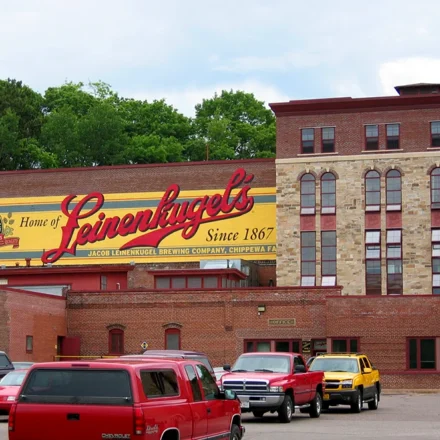
ST. PAUL, MN — For over a century, the Iron Range of Northern Minnesota has been the backbone of American industry, fueling the steel mills that built the nation’s cities and won its wars. However, as the taconite industry faces a long-term decline due to global competition and the rise of recycled steel, a new technological frontier is emerging. Minneapolis-based Niron Magnetics is currently scouting the region for what could be a transformative $1.8 billion manufacturing facility—a project that promises not just to revitalize a local economy, but to shift the geopolitical balance of power in the global green energy transition.
While national headlines often focus on the contentious environmental battles surrounding the Twin Metals copper-nickel mine near the Boundary Waters Canoe Area (BWCA), the Niron proposal offers a different path: high-tech manufacturing that utilizes the state’s namesake resource—iron—without the same environmental footprint of traditional hard-rock mining.
Main Facts: A Billion-Dollar Bet on Iron and Nitrogen
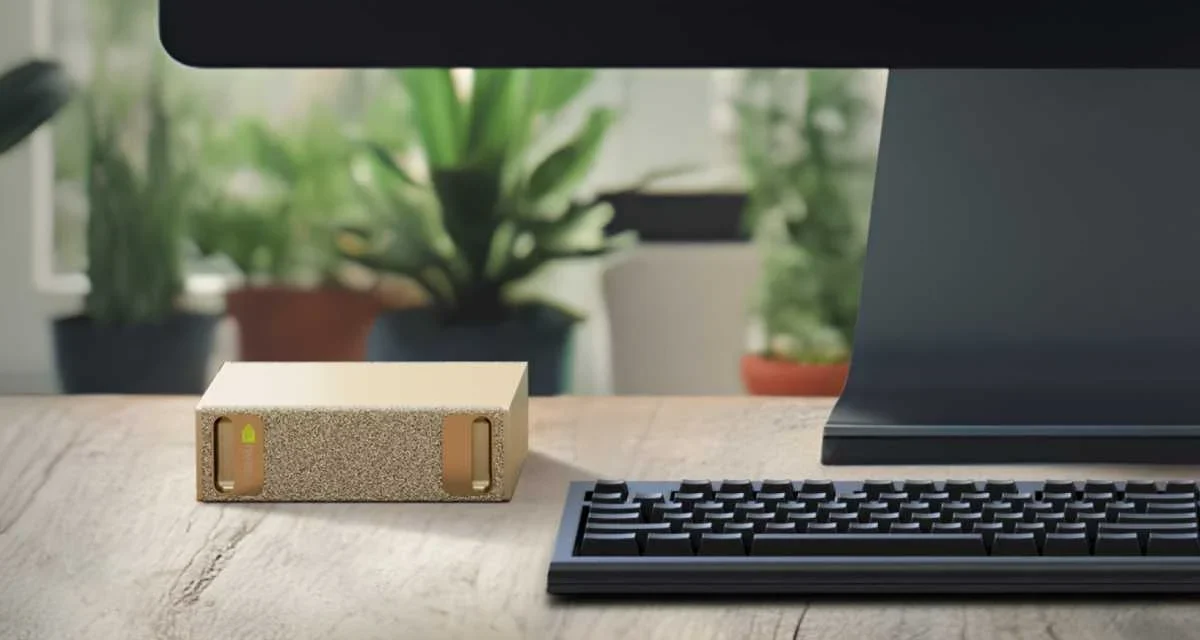
Niron Magnetics is on the verge of a massive scaling effort. The company has developed a proprietary technology that creates powerful "Iron Nitride" magnets. These magnets are essential components in electric vehicle (EV) motors, wind turbines, defense systems, and consumer electronics. Crucially, they do not require "rare-earth" minerals—such as neodymium and dysprosium—which are currently dominated by Chinese supply chains.
The proposed third facility, which Niron is considering locating on the Iron Range, represents a staggering investment in the state’s industrial infrastructure:
- Investment Value: Approximately $1.8 billion.
- Job Creation: Over 700 high-skilled manufacturing jobs.
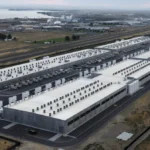
- Facility Scale: A 1.6 million-square-foot plant.
- Production Capacity: An estimated 10,000 tons of magnets annually by 2029.
- Feedstock: Domestically sourced iron and atmospheric nitrogen, bypassing the need for environmentally hazardous rare-earth mining.
The company has already begun the site selection process, hiring Savills, a global commercial real estate advisor, to evaluate locations in Minnesota and several other states. Speculation on the Iron Range is centered on the potential resurrection of shuttered taconite plants, which already possess the heavy power and rail infrastructure required for such a massive undertaking.
Chronology: From University Lab to Industrial Powerhouse
The journey of Niron Magnetics is a decades-long narrative of academic innovation meeting venture capital and strategic industrial planning.
The Scientific Foundation (2010s): The technology was invented by University of Minnesota Professor Jian-Ping Wang. For years, the scientific community had sought a way to make iron nitride stable enough for commercial use. Wang’s breakthrough allowed for the creation of "Clean Earth Magnets" that match or exceed the performance of rare-earth magnets without the supply chain volatility.
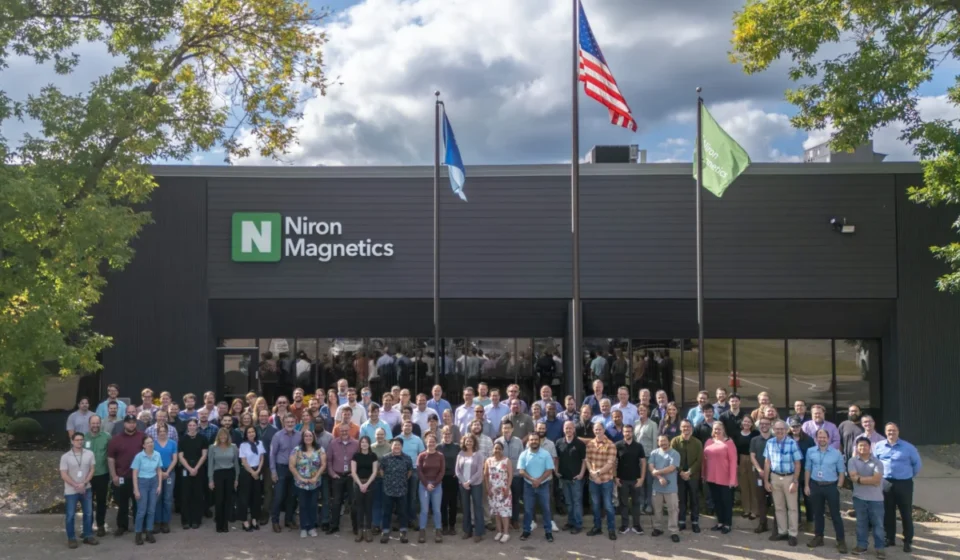
The Pilot Phase (Early 2020s): Niron established its headquarters and a pilot production plant in Northeast Minneapolis. This facility, currently employing 185 people, served as the proof-of-concept for the manufacturing process, allowing the company to refine its "secret sauce"—reducing iron or recycled steel to a powder and mixing it with a chemical compound that increases magnetism without requiring extreme, energy-intensive heat.
Commercial Expansion (2023–2024): In 2023, Niron broke ground on its first full-scale production plant in Sartell, near St. Cloud. This $10 million project, supported by state investment, is expected to employ 175 people and produce 1,500 tons of magnets annually.
The Road to 2029: The proposed $1.8 billion facility represents the final stage of Niron’s initial domestic roadmap. Construction is slated to begin in 2028, with the goal of reaching full operational capacity by 2029. This timeline coincides with the projected explosion in demand for EVs, as automakers like GM, Volvo, and Stellantis—all of whom are Niron investment partners—shift away from internal combustion engines.
Supporting Data: The Geopolitical and Economic Stakes
To understand the gravity of Niron’s potential move to the Iron Range, one must look at the global magnet market. Currently, China controls approximately 70% of the world’s rare-earth mining and up to 90% of the manufacturing of permanent magnets.
The Rare-Earth Crisis
The U.S. largely abandoned rare-earth mining decades ago due to the immense environmental costs and the difficulty of chemical separation. This left Western manufacturers vulnerable. In late 2023, China intensified this pressure by implementing export controls on rare-earth processing technologies.
"The Chinese put export controls in place around rare earths, and that’s been a great benefit to us," Niron CEO Jonathan Rowntree told Fast Company last fall. "We seek to solve this problem for Western companies as quickly as possible."
Financial Backing
Niron is not a speculative startup operating in a vacuum. The company has raised over $300 million in a mix of public and private capital. Its roster of investors reads like a "Who’s Who" of the global industrial economy:
- Automotive: GM Ventures, Volvo, Stellantis (Chrysler/Fiat).
- Tech: Samsung Ventures, Western Digital.
- Public Sector: The U.S. Department of Energy.
With designs on reaching $1 billion in annual revenue, the company is reportedly considering a public stock offering within the next two years to fund the massive capital expenditures required for the Iron Range plant.
Official Responses: A Bipartisan Push for the Range
In an era of deep political polarization, the Niron project has achieved a rare feat: unanimous support from Minnesota’s bipartisan congressional delegation and state leadership.
State Development Officials:
Ryan Malich, executive director of business development at the Minnesota Department of Iron Range Redevelopment and Resources (IRRR), views the project as a perfect alignment of historical strengths and future needs. "It’s a massive opportunity that fits agency priorities," Malich said. "These are the types of jobs that we’re trying to add to the area in evolving, innovative technologies. We have a highly skilled, available workforce."
Kevin McKinnon, Deputy Commissioner of the Department of Employment and Economic Development (DEED), echoed this sentiment, noting that the scale of the third project would "dwarf" the current Sartell expansion. "The promise, the trajectory of where they are going is very exciting," McKinnon said. "We believe Minnesota is a compelling location for such a project."
The Political Landscape:
The administration of Governor Tim Walz has been a vocal proponent of Niron, contrasting the project’s environmental profile with that of the Twin Metals proposal. While Twin Metals has found support in the U.S. House via Representative Pete Stauber (R-Duluth)—who recently championed a bill to lift mining bans in the Superior National Forest—the Walz administration has remained cautious about hard-metal mining in the BWCA watershed.
Niron offers a "middle path." It provides the industrial jobs Stauber’s constituents crave while satisfying the environmental standards held by the Governor’s office. Notably, Stauber and the rest of the delegation have also signaled strong support for Niron, recognizing that the Iron Range needs a diversified industrial base.
Implications: A New Identity for Northern Minnesota
The potential arrival of Niron Magnetics on the Iron Range carries implications that extend far beyond a single balance sheet. It represents a fundamental shift in how the region views its resources and its future.
1. Environmental De-escalation
The primary argument against projects like Twin Metals is the risk of acid mine drainage into the pristine Boundary Waters. Because Niron’s process involves manufacturing rather than traditional hard-rock mining of copper and nickel, it sits outside the BWCA watershed and avoids the most controversial environmental pitfalls. If Niron can provide 700 high-paying jobs, the political urgency to approve more controversial mining projects may diminish, potentially altering the long-term environmental strategy for the region.
2. Supply Chain Resilience
By transforming commodity iron and atmospheric nitrogen into high-value magnets, Niron is effectively "onshoring" a critical technology. This reduces the carbon footprint associated with shipping materials across the Pacific and protects the U.S. defense and automotive sectors from potential trade wars or supply chain disruptions.
3. The "Brain Gain"
For decades, the Iron Range has struggled with the "brain drain" of young people leaving for the Twin Cities or other states. A $1.8 billion high-tech facility requires not just laborers, but engineers, chemists, and data analysts. This could spark a demographic shift, bringing a new wave of professional talent to Northern Minnesota and revitalizing local schools and small businesses.
4. Reclaiming Industrial Leadership
If Niron selects the Iron Range, it will be a symbolic victory. It would prove that the region’s industrial infrastructure—its rail lines, its power grids, and its work ethic—is not a relic of the past, but a foundation for the future. As CEO Jonathan Rowntree noted during a congressional committee hearing, a single integrated facility can now do what used to require a global web of mining and chemical plants.
"Minnesota has an opportunity to address this crisis and offer a transformative solution," the company stated. As the site selection process continues, the eyes of the state—and the global magnet industry—remain fixed on the Iron Range, waiting to see if the "New Iron Age" will truly begin in the North Woods.