






















































The Great Return: Target Mandate and the Revitalization of Downtown Minneapolis

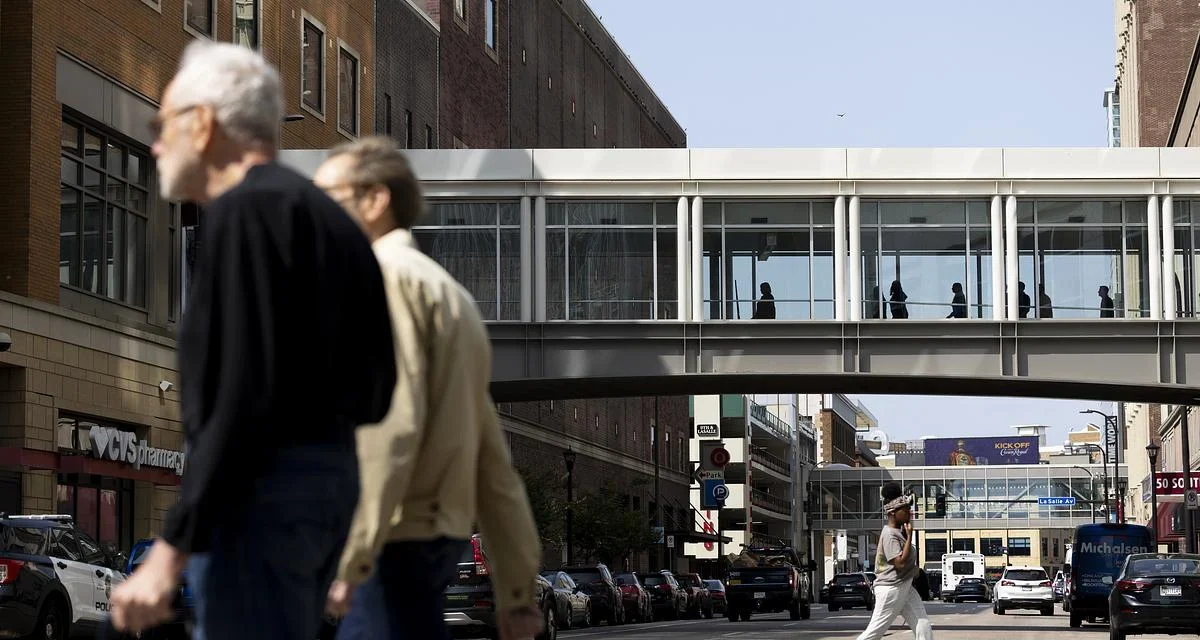
MINNEAPOLIS — For years, the rhythmic pulse of downtown Minneapolis was muffled, a casualty of the global shift toward remote work that began in 2020. However, as of September 2025, the city’s heart is beating with a renewed, albeit different, vigor. The catalyst for this latest surge is one of the region’s largest employers: Target Corporation.
Main Facts: The "Target Effect" and the 75% Milestone
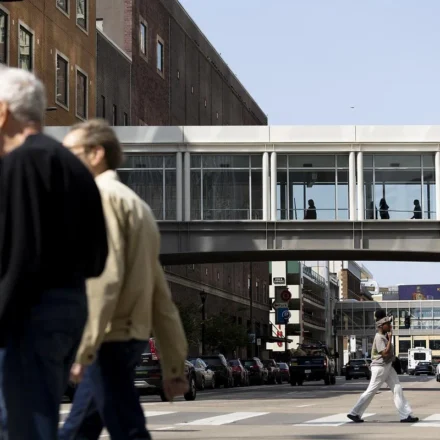
The landscape of downtown Minneapolis underwent a visible transformation during the first week of September 2025. At Corner Coffee, a popular local fixture situated just a stone’s throw from Target’s massive headquarters, the change was immediate and overwhelming. Store manager Mia Pariseau, who had grown accustomed to the predictable, quiet lulls of Monday mornings, found herself and a single colleague struggling to keep up with a sudden influx of customers.
"We got just slammed," Pariseau noted, describing a scene where at least five people remained in line for over an hour—a phenomenon rarely seen since 2019. This surge is directly attributed to Target’s new policy requiring employees within its commercial unit to work in person at least three days a week, effective September 2.
According to Kittie Fahey, the senior director of advancement for the Minneapolis Downtown Council, this policy shift is the "tipping point" the city has been waiting for. Currently, in-person work levels in the downtown area have climbed to nearly 75% of pre-pandemic numbers. This figure is expected to rise further as more corporate departments and secondary service providers adjust to the increased foot traffic generated by Target’s workforce.
The return of these employees is doing more than just filling coffee shops; it is altering the psychological and social atmosphere of the city. Madelyn Dunn-Lammert, an associate designer at Target who has spent the majority of her three-year tenure working remotely, noted that the return has injected a sense of "vibrancy and excitement" into the workday. For creative professionals, the shift marks a return to spontaneous collaboration and team-building that digital platforms like Zoom and Slack often fail to replicate.
Chronology: From "Ghost Town" to Hybrid Reality
The road to this recovery has been long and fraught with setbacks. To understand the significance of the September 2025 return, one must look at the timeline of Minneapolis’s post-pandemic evolution:
- 2020–2021: The Ghost Town Era. Following the initial COVID-19 lockdowns, downtown Minneapolis, like many urban centers, saw its streets emptied. Jenny Lissarrague, an attorney who has worked in the city since 2012, recalls this period as a time of eerie isolation. "It was a ghost town," she said. "It was just nobody."
- 2021–2022: The Remote Peak. While the rest of the nation began a slow return to the office, Minnesota remained a stronghold for remote work. In 2021, Minnesota’s share of primarily remote workers stood at 21%, significantly higher than the national average of 17.9%. By 2022, that number began to dip, falling to 16.9% as some firms experimented with hybrid models.
- June 2025: The Public Sector Lead. A major shift occurred early in the summer of 2025 when the State of Minnesota mandated that its employees spend at least 50% of their workdays in the office. This move was met with significant resistance, including threats of strikes from labor unions, but it set the stage for the private sector to follow suit.
- September 2025: The Target Mandate. As the second-largest employer in the downtown area (surpassed only by Hennepin Healthcare), Target’s decision to bring its commercial unit back for three days a week served as the definitive signal that the "remote-first" era was ending for the city’s major corporate players.
Supporting Data: The Economic and Social Metrics of Recovery
The recovery of downtown Minneapolis is being measured by more than just coffee sales. The Minneapolis Downtown Council and the Federal Reserve Bank of Minneapolis have been tracking several key metrics to gauge the health of the urban core.

Employment Rankings and Policy Shifts
Target’s influence is grounded in its scale. As a top-tier employer, its policies dictate the economic health of the surrounding Central Business District (CBD). Of the top 15 downtown employers—a list that includes Wells Fargo, Ameriprise Financial, and U.S. Bank—12 have now implemented formal back-to-office policies. This unified front among the "Big 15" is the primary driver behind the 75% recovery stat.
The Transit Disconnect
Despite the increase in workers, the infrastructure supporting them has yet to fully recover. Supporting data suggests a mismatch between worker needs and transit availability. Jenny Lissarrague highlighted that getting downtown is more difficult now than it was in 2012. Because remote work led to a decrease in ridership, transit authorities reduced bus frequencies. Now that workers are returning, the lack of robust transit options has become a significant "pain point" for commuters.
Shifting Traffic Patterns
Data from the Downtown Council suggests that the "9-to-5" peak is softening into a more spread-out "10-to-4" or midday peak. Many employees, utilizing the flexibility of hybrid policies, are choosing to commute around noon to avoid traditional rush hours. This shift means that while the streets are busier, the traditional "rush hour" peaks are less concentrated than they were in 2019.
Official Responses: Strategies for a Sustainable Downtown
Kittie Fahey and the Minneapolis Downtown Council are optimistic, but they are also realistic about the challenges that remain. The primary goal for city leadership is to ensure that the return to work translates into a return to living in the city.
"Go out for lunch, stay after and go meet friends, go do some things," Fahey urged in a recent statement. "Use all the resources we have."
The official stance from the Downtown Council is that for the city to thrive, it must move away from being a "9-to-5" commuter hub and toward being a "24/7" destination. This is particularly important for the approximately 60,000 residents who live in the downtown area. Fahey expressed concern that the current trend is "in-and-out"—workers come in for their required hours and immediately leave for the suburbs.
However, officials acknowledge a "chicken and egg" problem regarding downtown amenities. Fahey noted that many restaurants in the central business district still close much earlier than they did before the pandemic. "You’d be hard-pressed to find a restaurant open until 11 p.m.," she said. This lack of late-night options makes it difficult to convince workers to stick around after their shift ends, which in turn discourages restaurants from extending their hours.

Implications: The Future of the Urban Core
The implications of Target’s return-to-office mandate extend far beyond the immediate boost to local commerce. They touch on the very philosophy of modern work and urban planning.
The Collaboration Premium
For companies like Target, the return to the office is an investment in "social capital." As Madelyn Dunn-Lammert pointed out, the creative process thrives on proximity. The implication is that while remote work is efficient for individual tasks, the "innovation engine" of a major retailer requires the physical presence of its staff. This move may prompt other creative and tech-heavy firms to reconsider their long-term remote policies.
The Residential-Commercial Balance
With 60,000 residents now calling downtown home, the city is less dependent on commuters than it once was, but the commercial sector remains the economic backbone. The successful integration of these two populations—the permanent residents and the three-day-a-week commuters—will determine the long-term viability of the Minneapolis skyway system and the street-level retail environment.
Urban Resilience and Adaptability
The resistance seen among state workers in June suggests that the transition back to the office will not be seamless. There is a lingering tension between employer demands for "vibrancy" and employee desires for the flexibility they gained during the pandemic. The "Minneapolis Model" of 2025—a three-day hybrid week—appears to be the compromise that will define the city’s next decade.
As Mia Pariseau of Corner Coffee looks toward the coming months, her outlook remains positive. The "back-to-school" energy currently buzzing through the IDS Center and the surrounding skyways suggests that while the city may never return to its exact 2019 form, it is carving out a new, sustainable identity.
"The future is bright," Pariseau said, echoing a sentiment that city leaders hope will resonate from the North Loop to the Mill District. For now, downtown Minneapolis is no longer a ghost town; it is a city in the midst of a complex, caffeinated, and hard-won rebirth.