

















































The Silicon Prairie’s Power Surge: How Minnesota Became the Unlikely Epicenter of the Microgrid Revolution

BLOOMINGTON, MN — Standing at the busy interchange of I-494 and Highway 100, a striking red-and-blue structure catches the eye of passing commuters. To some, it resembles a futuristic sailboat; to others, a striped, robotic canine standing at attention. This is the headquarters of Open Access Technology International (OATI), and while its exterior is whimsical, the work happening inside is critical to the stability of the North American continent.
Inside this Bloomington facility, high-powered servers and a literal army of electrical engineers manage the heartbeat of the nation’s energy infrastructure. OATI’s software coordinates the flow of electricity across the majority of North America’s high-voltage transmission lines. However, a new frontier is emerging within these walls: the microgrid. As the traditional centralized power grid faces unprecedented pressure from climate change, cyber threats, and aging infrastructure, Minnesota has quietly positioned itself as the global hub for the decentralized energy future.
Main Facts: A Cluster of Energy Innovation
Minnesota’s dominance in the microgrid sector is not an accident of geography, but the result of a dense ecosystem of private enterprise, academic research, and tribal leadership. While Silicon Valley often captures the headlines for software innovation, the "Silicon Prairie" of the Twin Cities has become the go-to destination for the "hard tech" of energy management.
The Major Players
The state’s microgrid landscape is anchored by several key entities:
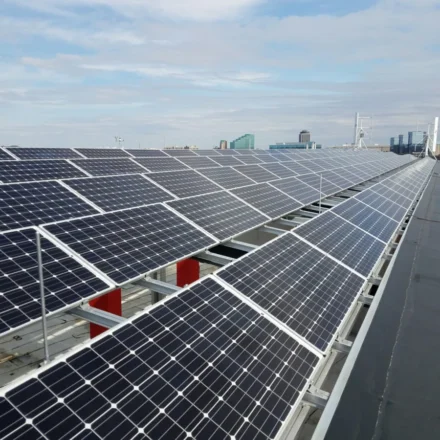
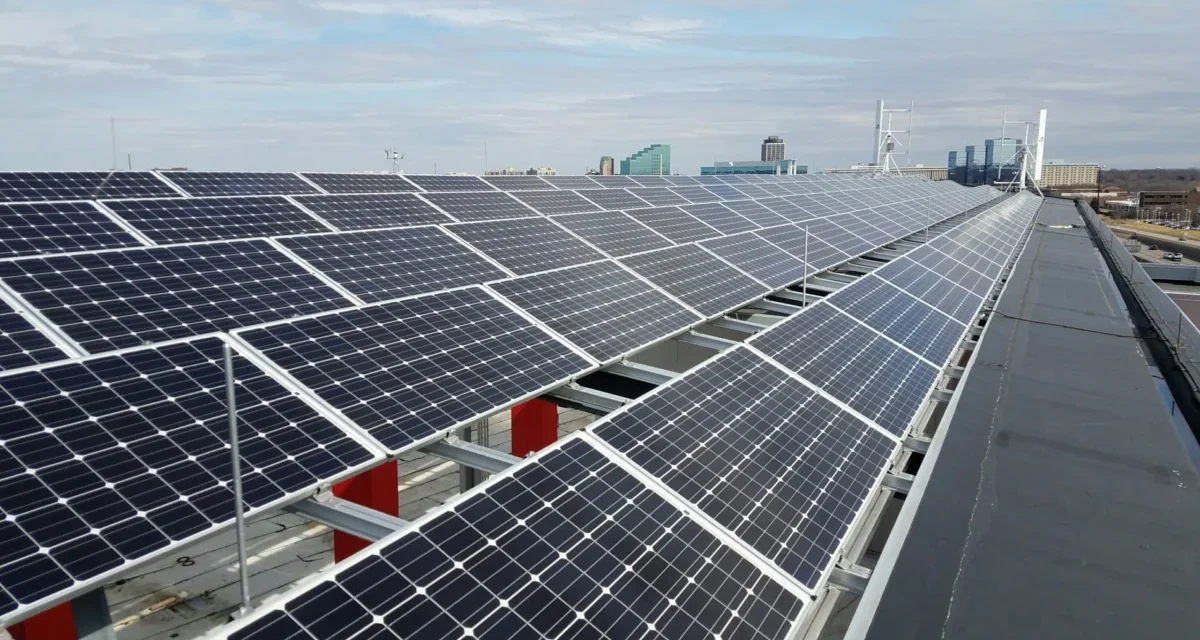
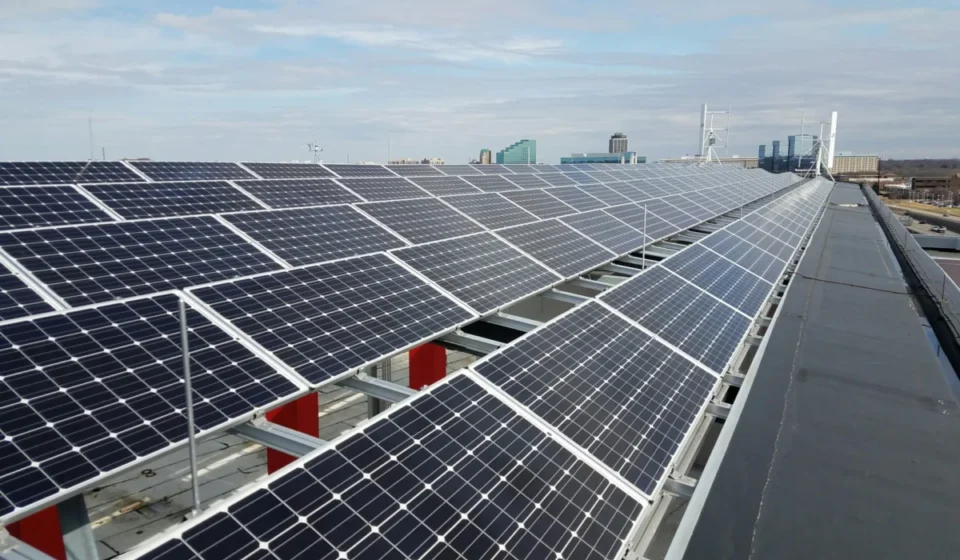
- OATI: The industry titan providing the software backbone for both the macro-grid and localized microgrids. Their headquarters serves as a living laboratory, utilizing a proprietary platform to synchronize solar arrays, battery storage, a cogeneration plant, and diesel backups.
- Syncris: A Minneapolis-based hardware innovator focused on "modularizing" microgrid components. Their technology aims to move microgrids away from bespoke, high-cost engineering toward a "Lego-like" assembly model.
- The University of St. Thomas Center for Microgrid Research: A nationally recognized hub that provides hands-on training and testing for the next generation of energy engineers. It is currently the only institution of its kind in North America offering this level of professional certification.
- Microgrid Initiatives: A consultancy led by industry veterans that specializes in project management for state, local, and tribal energy independence.
The Core Technology: DERMS and AI
At the heart of this movement is Distributed Energy Resource Management Systems (DERMS). These AI-powered platforms allow utilities and private owners to orchestrate a complex symphony of electric vehicles (EVs), home batteries, rooftop solar, and smart appliances. Rather than seeing these devices as a drain on the grid, Minnesota companies are proving they can be used as a "virtual power plant" to stabilize the system during peak demand.
Chronology: From Industrial Giants to Independent Power
To understand Minnesota’s current leadership, one must look back nearly half a century. The state’s "outsized footprint" in the energy sector, according to Michael Burr, founder of Microgrid Initiatives, is built on the shoulders of multinational manufacturing giants.
The Legacy Era (1970s–1990s)
The presence of Honeywell, Siemens, IBM, Eaton, and Johnson Controls in the Twin Cities created a massive talent pool of electrical engineers and control system specialists. These companies dominated the multibillion-dollar market for power electronics and building automation for decades.
In the mid-1990s, OATI was founded, initially focusing on the software needed to facilitate the buying and selling of electricity between utilities. This was a period of deregulation where the speed of data began to match the speed of electrons. Simultaneously, specialized firms like Hunt Technologies in Pequot Lakes began pioneering advanced metering infrastructure, eventually becoming a global leader before its acquisition by Landis+Gyr.
The Pivot to Resilience (2010s–Present)
As the 21st century progressed, the limitations of the centralized grid became apparent. Extreme weather events—from California wildfires to East Coast hurricanes—highlighted the vulnerability of long-distance transmission lines. Minnesota’s energy sector pivoted.
The University of St. Thomas established its Center for Microgrid Research to address the lack of specialized training in the field. By the 2020s, the focus shifted from merely managing the grid to "hardening" it. Today, University of Minnesota researchers, in collaboration with three other Midwestern institutions, are leading the charge to protect these decentralized systems from increasingly sophisticated cyberattacks.
Supporting Data: The Economic and Technical Scale
The economic impact of Minnesota’s energy sector is staggering. According to the state Department of Employment and Economic Development (DEED), Minnesota exported approximately $2.3 billion in "IT-related electrical equipment" last year alone.

Quantifying the Microgrid Advantage
The drive toward microgrids is fueled by the high cost of failure. For commercial and industrial facilities, power outages are more than an inconvenience; they are a fiscal catastrophe.
- Operational Losses: One Syncris customer reported losing hundreds of thousands of dollars annually due to brief but frequent power outages.
- Power Quality: Beyond total blackouts, "power quality" issues—voltage fluctuations—can degrade sensitive industrial machinery. Equipment designed to last 20 years often fails in 10 due to poor grid quality at the "grid edge."
- Utility Adoption: OATI’s DERMS platform is now utilized by more than 150 electric cooperatives, including 24 members of the Dairyland Power Cooperative in Wisconsin and Minnesota.
Federal Investment and Tribal Sovereignty
The federal government has recognized Minnesota’s role as a testing ground for rural and tribal energy independence. In the past year:
- Red Lake Nation received $3.15 million to support solar- and battery-powered microgrids.
- White Earth Nation was awarded $1.75 million for similar resilience hubs.
- The Department of Energy recently announced an additional $8 million in microgrid grants for remote communities, leveraging expertise developed in the Minnesota ecosystem.
Official Responses: Voices from the Front Lines
Leadership across the Minnesota energy sector emphasizes that this movement is about more than just technology—it is about autonomy and economic survival.
David Heim, OATI Vice President and Chief Strategy Officer:
"It’s cool that we are a [Twin Cities] company doing all this right here in our backyard, not out in Silicon Valley. For tribes, energy sovereignty is becoming a necessity. The mere fact that they’re planning to do some form of onsite power generation gives them a seat at the table. They can say to the utility, ‘We’d love for you to sponsor this project, but in return, you have to give us some concessions.’"
Mary Brown, OATI Senior Executive Vice President:
Brown points to the shifting geopolitical and policy landscape as a driver for adoption. With import tariffs and changes to federal energy policy likely to raise electricity costs, she argues that distributed resources will be the primary tool for reducing energy bills. "Technology has advanced to the point that DERMS can effortlessly orchestrate entire neighborhoods’ worth of cars, batteries, and solar arrays."
Zach Edmond, Co-founder of Syncris:
Edmond highlights the need for democratization of the technology. "Today, every system, every site is a highly custom solution with lots of engineering design. They’re built as a one-off and not easily expanded. Our technology is more like a Lego block. If you need more power, you can add more of them."
Implications: A Bulwark Against an Uncertain Future
As Minnesota moves toward the middle of the decade, the implications of its microgrid expertise are becoming clear. The state is not just exporting hardware; it is exporting a blueprint for climate resilience.
Addressing the "Grid Edge"
The most significant impact will be felt by those living at the "grid edge"—rural communities at the end of long, vulnerable distribution lines. As hurricane-force "microbursts" and extreme heatwaves become the new normal in the Midwest, these communities are moving from being passive consumers to active managers of their own power.
Urban Resilience and Social Equity
The technology is also being deployed to address social inequities in urban centers. Through Xcel Energy’s "Resilient Minneapolis Project," microgrids are being constructed in North Minneapolis. These systems will allow public schools to function as community resilience hubs during prolonged outages, providing residents with climate-controlled environments and power for medical equipment.
The Global Marketplace
The modular approach pioneered by companies like Syncris has massive implications for international development. By lowering the cost of entry and the complexity of maintenance, Minnesota-made inverters and software are being marketed to healthcare facilities and municipalities in Africa and Eastern Europe, regions where traditional grid infrastructure is either non-existent or unreliable.
Final Outlook
Minnesota’s evolution into a microgrid powerhouse represents a convergence of its industrial past and its high-tech future. While challenges remain—specifically regarding the fixed costs of trenching and the evolving regulatory landscape for utilities—the momentum is undeniable. In the face of rising prices, extreme weather, and a national grid under siege, Minnesota’s "robotic dog" at the I-494 interchange stands as a sentinel for a new, more resilient era of American energy.