















































Minnesota’s Green Horizon: Navigating the Complex Rollout of a Multi-Billion Dollar Cannabis Industry

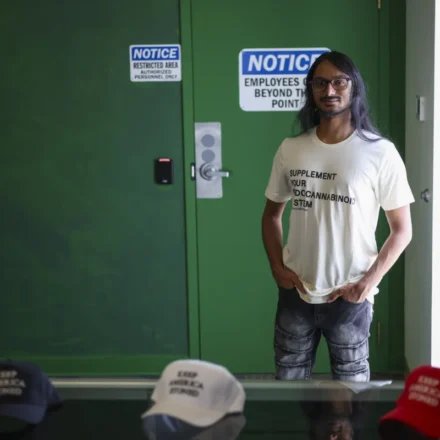
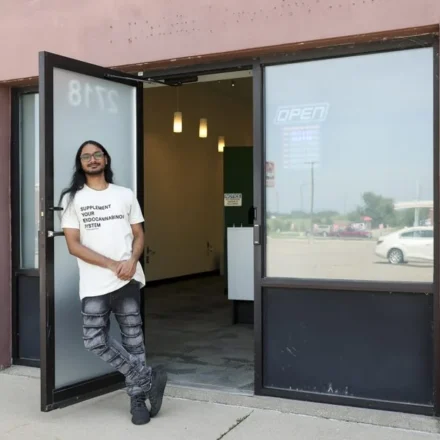
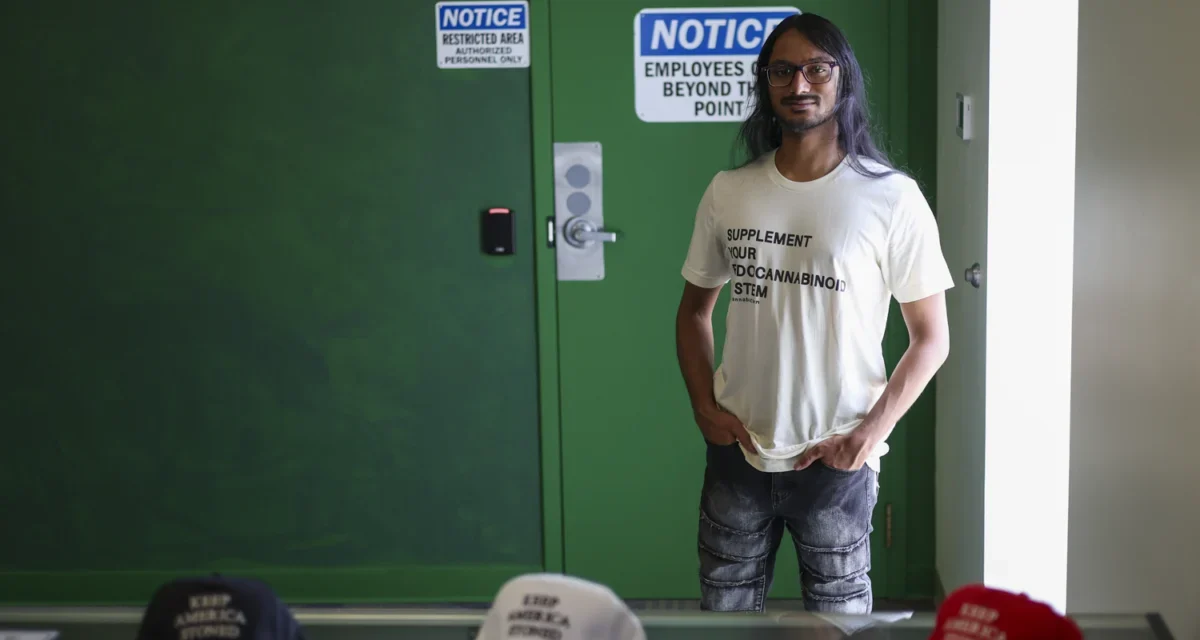
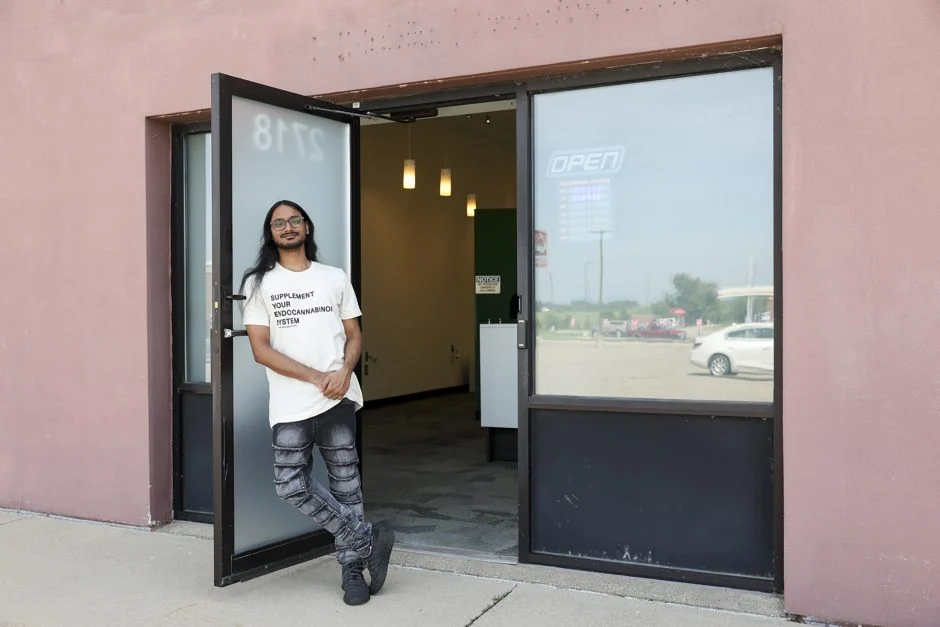
At the intersection of West 25th Street and South Lyndale Avenue in Minneapolis, the Loon Smoke Shop has long served as a local landmark. It is a place where the air is often thick with the scent of tobacco and vape clouds, and where a steady stream of regulars gathers well into the night. However, this neighborhood fixture is on the verge of a historic transformation. A few blocks south, the shop’s new dispensary is undergoing the final stages of state licensing. The windows already feature "help wanted" signs seeking "budtenders" and managers—individuals described as "passionate" about an industry that, until recently, existed only in the shadows of the law.
The scene at the Loon Smoke Shop is a microcosm of a much larger, statewide shift. After years of anticipation, political maneuvering, and bureaucratic hurdles, Minnesota’s non-tribal cannabis market is finally moving from legislative theory to retail reality.
Main Facts: The First Non-Tribal Pioneers
For nearly two years, the only places to legally purchase recreational marijuana in Minnesota were on sovereign tribal lands. That changed in the summer of 2025. The Minnesota Office of Cannabis Management (OCM) recently announced a watershed moment: the granting of final approval to the first five non-tribal entities to cultivate and sell cannabis.
These pioneers include:
- Herb-Quest: Approved for a cultivation center in Pine County.
- Concentrate Labs (Roots and Resin Farm): Greenlit for a cultivation site in Chisago County.
- The Smoking Tree: A retail dispensary in Albert Lea.
- Loon Lab Extracts and Research: Licensed for retail in Isanti.
- Fairwater Farm: Licensed for retail in Plainview.
Eric Taubel, the interim director of the OCM, suggests that the "bottleneck" phase of state government is ending. According to Taubel, the state could see upwards of 150 non-tribal marijuana businesses operational by the end of 2025. "We’ve transitioned to the point where the onus is on the applicant and a prospective business owner," Taubel stated, signaling that the state’s regulatory infrastructure is finally in place to handle the influx of new entrepreneurs.
Chronology: From Bill Signing to the "Checkerboard" of Implementation
The path to this moment has been anything but linear. To understand the current landscape, one must look back at the tumultuous timeline of Minnesota’s legalization efforts.
2023: The "Bonkers" Legislative Session
In May 2023, Governor Tim Walz signed a sweeping bill legalizing adult-use cannabis. At the time, the DFL-controlled Legislature set an ambitious target: a fully functional retail market by early 2025. While the law technically made possession legal almost immediately, the infrastructure for a regulated market had to be built from scratch.
August 2023: The Tribal Head Start
Recognizing tribal sovereignty, the law allowed Minnesota’s 11 tribal nations to establish their own rules for cultivation and sales. The Red Lake Nation became the first to capitalize on this, opening a dispensary in August 2023. They were soon followed by the White Earth Nation. These tribal operations provided the only legal "pot tourism" destinations in the state for nearly two years.
Late 2023 – Early 2024: Administrative Turmoil
The rollout was hampered by leadership instability at the OCM. The initial search for a director ended in controversy and a subsequent review by the Office of the Legislative Auditor after a botched hire. Charlene Briner served as the first interim director, followed by Eric Taubel in early 2024. Governor Walz has admitted that of all the laws passed in the historic 2023 session, cannabis has been the most difficult to implement.
June – July 2025: The Lottery System and Final Approvals
To ensure fairness and promote social equity, the state implemented a lottery system. In June 2025, 249 social equity applicants—veterans, residents of high-poverty areas, or those previously impacted by marijuana convictions—won the right to move forward in the licensing process. A second lottery in July 2025 awarded 75 additional licenses to a broader pool of 569 applicants.
Supporting Data: The Cost of Doing Business
As the industry matures, the economic realities for both business owners and consumers are becoming clearer. The transition from an illicit market to a regulated one carries a heavy financial burden, primarily in the form of taxation and compliance costs.
The Tax Burden
Initially, the state proposed a 10% excise tax on cannabis products. However, during a high-stakes special session in June 2025, lawmakers raised that tax to 15%. When combined with standard state and local sales taxes, Minnesota consumers can expect to pay a total levy exceeding 20% on every purchase.

- Minnesota: ~21% total tax.
- Connecticut: ~3% excise tax (among the nation’s lowest).
- Washington State: 37% excise tax (the nation’s highest).
Market Projections
The OCM’s goal of 150 businesses by year-end represents a massive scaling effort. For comparison, neighboring states like Illinois took several years to reach similar density in non-urban areas. The OCM must process background checks, verify Labor Peace Agreements (which prevent strikes in exchange for union neutrality), and ensure that every retail location meets local zoning requirements.
Official Responses: Navigating "No Model"
The delays and complexities of the rollout have drawn both criticism and defense from the highest levels of state government.
Governor Tim Walz has been vocal about the unique challenges Minnesota faces. Unlike other states that allowed existing medical marijuana dispensaries to dominate the new recreational market, Minnesota chose a "ground-up" approach intended to prevent a corporate monopoly. "There really was not a model of how to do it," Walz remarked, noting that every state preceding Minnesota has struggled with the transition. While Walz praised Eric Taubel’s performance as interim director, he has remained non-committal on making the position permanent.
Eric Taubel himself has emphasized the shift in responsibility. He describes the current process as a "checkerboard" of steps involving municipal cooperation. "Each municipality handles zoning differently," Taubel acknowledged. "The county and city may only meet every month," which can add weeks or months to a business’s timeline even after they receive state approval.
Leili Fatehi, a partner at the consulting firm Blunt Strategies, provides a more critical industry perspective. While she acknowledges the state’s intent to create a diverse market, she warns that the high tax rate is a "cause of concern." Fatehi argues that if legal weed is significantly more expensive than the illicit market, the state’s goals for public safety and revenue may be undermined.
Implications: The Future of the Minnesota Market
The current state of affairs in Minnesota carries significant implications for the state’s economy, its social justice goals, and its relationship with tribal nations.
1. The Persistence of the Illicit Market
The primary goal of legalization is often to dismantle the black market. However, with a tax rate exceeding 20% and a slow rollout of retail stores, there is a risk that consumers will continue to rely on unlicensed dealers. The OCM will need to balance strict enforcement with a business-friendly environment to ensure the legal market remains competitive.
2. Tribal Economic Sovereignty
The "head start" given to tribal nations has allowed them to establish a firm foothold in the industry. The compact finalized with the White Earth Nation in May 2025, which allows them to operate off-reservation stores in cities like St. Cloud and Moorhead, is a first-of-its-kind model in the U.S. This could serve as a blueprint for tribal-state relations in other industries moving forward.
3. The Social Equity Experiment
Minnesota’s commitment to social equity is one of the most ambitious in the country. By prioritizing veterans and those harmed by the "War on Drugs," the state is attempting to use the cannabis industry as a tool for wealth redistribution. The success of these 249 social equity winners will be a litmus test for whether government-regulated markets can truly provide restorative justice.
4. Local Governance vs. State Mandates
As retail shops like The Smoking Tree in Albert Lea prepare to open, the tension between state law and local control will persist. While cities cannot legally ban cannabis businesses, they can use zoning and "buffer zone" requirements (distance from schools or parks) to effectively limit where these businesses can exist. This "checkerboard" of local regulations will likely lead to "cannabis deserts" in some parts of the state while others become retail hubs.
As the Loon Smoke Shop and others like it prepare to open their doors to a new era of commerce, Minnesota stands at a crossroads. The transition from a "handshake and a baggie" to a highly regulated, 20%-taxed corporate environment is a monumental undertaking. Whether the state can meet its 150-store goal by the end of the year remains to be seen, but for the first time since 2023, the smoke is starting to clear, revealing a legitimate industry ready for business.