





















































Defiance in Albert Lea: City Council Rejects Cannabis License in Direct Challenge to State Law

ALBERT LEA, MN – In a move that legal experts and city officials warn could trigger a costly and uphill judicial battle, the Albert Lea City Council has voted to deny a business license for the city’s first retail cannabis dispensary. The 4-3 vote, cast during a contentious Monday night meeting, represents a direct act of defiance against Minnesota’s recently enacted cannabis statutes, setting the stage for a high-stakes showdown between local municipal authority and state legislative mandates.
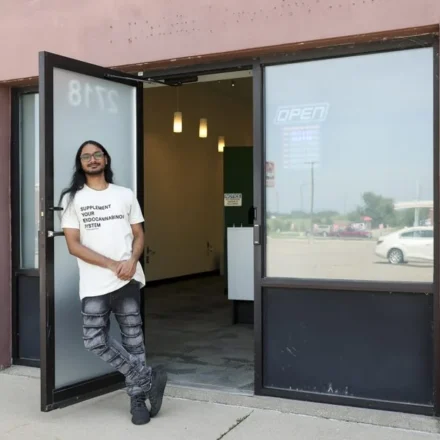
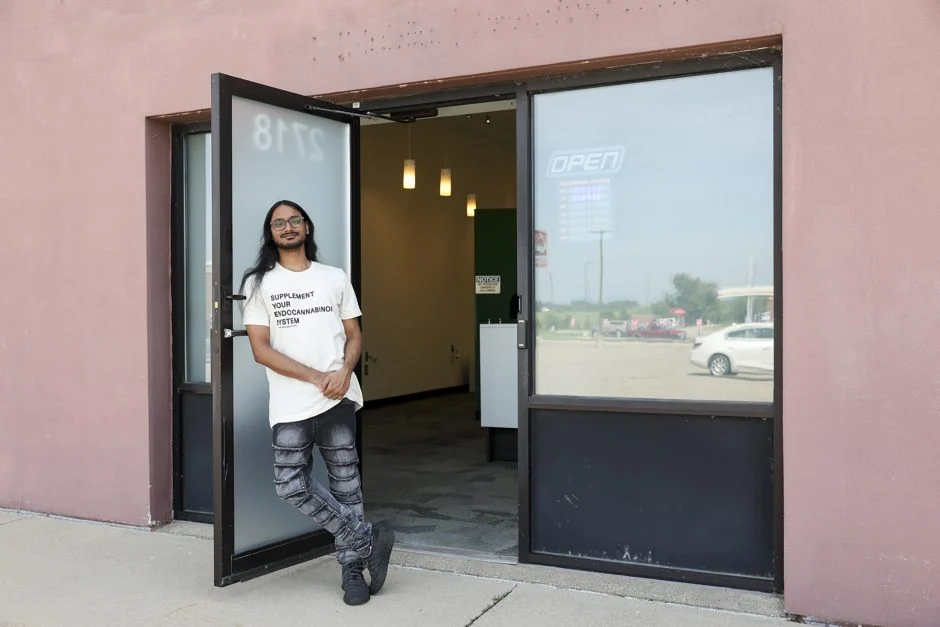
The decision effectively halts the opening of "The Smoking Tree," a dispensary owned by local entrepreneur Jacob Schlichter. Having already secured state-level approval and passed all requisite inspections, Schlichter had anticipated a "soft opening" as early as Tuesday. Instead, he finds himself at the center of a burgeoning constitutional and regulatory conflict that could cost Albert Lea taxpayers hundreds of thousands of dollars in legal fees and lost state aid.
Main Facts: A Council Divided Against the Statute
The crux of the conflict lies in the tension between the Minnesota Office of Cannabis Management (OCM) regulations and the desire for local autonomy. Under the law passed by the Minnesota Legislature in 2023, cities are granted limited "time, place, and manner" restrictions regarding cannabis businesses but are expressly prohibited from enacted bans that prevent state-licensed entities from operating.
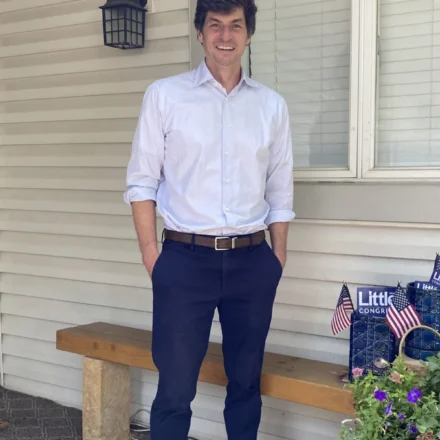
The Monday night vote saw Mayor Rich Murray and Councilors Larry Baker, Rachel Christensen, and Keith Van Beek forming a majority to block the registration of The Smoking Tree. Opposing them were Councilors Brian Anderson, Jason Howland, and Reid Olson, who argued that while they may have personal reservations about the law, the city is legally obligated to comply.
The denial is particularly striking because city staff had already determined that Schlichter’s application met every local and state requirement. The registration was originally placed on the council’s "consent agenda"—a category usually reserved for routine, non-controversial items that receive a single "rubber-stamp" approval. By pulling the item for a separate vote and subsequently defeating it, the council majority signaled a shift from administrative oversight to political resistance.
Chronology: The Path to Defiance
The path to Monday’s confrontation began shortly after Minnesota legalized adult-use cannabis in 2023. While the state worked to build its regulatory framework, municipalities across Minnesota were tasked with preparing for the eventual arrival of retail storefronts.
- May 2024: The Albert Lea City Council approved a local ordinance detailing the registration process for cannabis businesses. The ordinance established a "first-come, first-served" system based on the timestamp of state-issued licenses.
- June 2024: Jacob Schlichter made history as the first micro-retail cannabis applicant in Minnesota to pass a state licensing inspection. This milestone positioned The Smoking Tree as a frontrunner in the state’s emerging legal market.
- July 18, 2024: Following his state success, Schlichter completed the local registration process with Albert Lea city staff. According to City Manager Ian Rigg, the application was found to be in full compliance with all local zoning and safety ordinances.
- Monday, Late Evening: The City Council convened to finalize the registration. Despite explicit warnings from the City Attorney regarding the illegality of a denial, the council voted 4-3 to reject the license.
- The Aftermath: Following the vote, Schlichter announced he is weighing all legal options, including a lawsuit against the city, while the state’s Office of Cannabis Management monitors the situation for potential intervention.
Supporting Data: The High Cost of Principle
The financial and legal implications of the council’s decision are documented and significant. During the meeting, City Attorney Joel Holstad provided a sobering assessment of the risks associated with defying state law.
Holstad estimated that a "legitimate defense" of the city’s position in a lawsuit brought by the State of Minnesota or the business owner would cost the city at least $100,000. Furthermore, he categorized the chances of the city prevailing in court as "highly unlikely," noting that the state statute is clear regarding the limitations of municipal power.
Beyond legal fees, the city faces a massive threat to its general fund. Albert Lea relies heavily on Local Government Aid (LGA), which currently accounts for more than $6 million—roughly one-third of the city’s total general fund revenue. City Manager Ian Rigg warned that the state has the authority to impose a 5% penalty on LGA for municipalities that remain out of compliance with state law.
"That’s a $300,000 penalty before the lawsuits even start," Rigg told the council.
Under the state’s "one-per-12,500" rule, Albert Lea, with its population of approximately 18,000, is legally required to register at least two cannabis businesses. By rejecting the very first applicant, the city has placed itself in immediate non-compliance with the minimum threshold established by the legislature.
Official Responses: Local Control vs. State Mandates
The debate on the council floor highlighted a deep philosophical divide regarding the nature of governance in Minnesota.
The Case for Defiance
Councilor Larry Baker emerged as the most vocal opponent of the license, framing the vote as a stand against "encroaching" state and federal power. "At some point, people have to start saying no to the state and federal government taking power away from cities," Baker said. He dismissed concerns about the financial fallout, stating, "It’s just a matter of principle. I get tired of control being taken."
Mayor Rich Murray echoed these sentiments, criticizing the 2023 legalization as a revenue-hungry move by the governor and the legislature. "I do not like the way the state Legislature and the governor has rammed this down our throats with very little say in the process," Murray stated, adding that he believed the city should have "zero" cannabis businesses.
The Case for Compliance
Conversely, Councilor Brian Anderson argued that the council’s role was to be responsible stewards of the city’s resources rather than political activists. He noted that the city currently possesses only "the illusion of choice."
"I think it’s up to me sitting up here to do the responsible thing and actually say that this is going to happen whether we want it to or not," Anderson said. "I think we need to embrace it and make the best of it."
City Manager Ian Rigg, while sympathetic to the desire for local control, reminded the council that as an administrative body, their hands were effectively tied by the current legal framework. "Local control is important… but until it’s restored or it’s preserved, we do have our—I hate to say it—we have our orders."
Implications: A Precedent for Greater Minnesota?
The situation in Albert Lea is being closely watched by municipal leaders across Minnesota, particularly in more conservative "Greater Minnesota" communities where opposition to cannabis legalization remains high. If Albert Lea successfully resists the state mandate without immediate or severe repercussions, it could embolden other cities to follow suit, potentially creating a patchwork of "dry" and "wet" cannabis zones that the state law was specifically designed to prevent.
However, the more likely outcome is a swift legal response. The Minnesota Office of Cannabis Management has previously indicated that it expects municipalities to act in good faith regarding the registration of licensed businesses. A lawsuit from the state would not only seek to compel Albert Lea to grant the license but could also result in a court order that strips the city of even its limited zoning authority over the business.
For Jacob Schlichter, the entrepreneur caught in the middle, the situation is a frustrating roadblock at the end of a long journey. As the first person in the state to pass a micro-retail inspection, he has invested significant capital and time into meeting every regulatory hurdle.
"The law is the law," Schlichter said, noting the irony of a governing body choosing to ignore the statutes they are sworn to uphold. "Whether or not you agree with cannabis, we can all agree that this is a bad use of our tax money. The last thing I want to do is sue my own city… but I don’t know what other options there are."
As Albert Lea prepares for the potential fallout, the case serves as a stark reminder of the growing pains associated with the end of cannabis prohibition. The conflict is no longer just about the merits of the plant itself, but about the fundamental boundaries of local authority in a state where the central government has decided that the "green revolution" is here to stay.