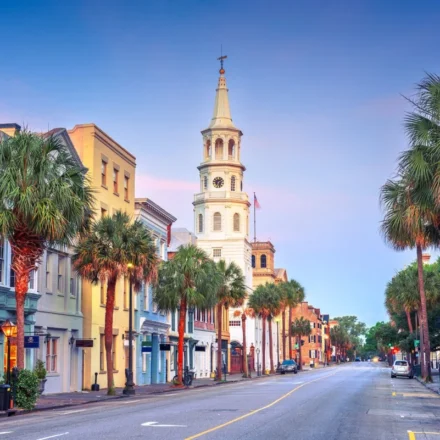

















































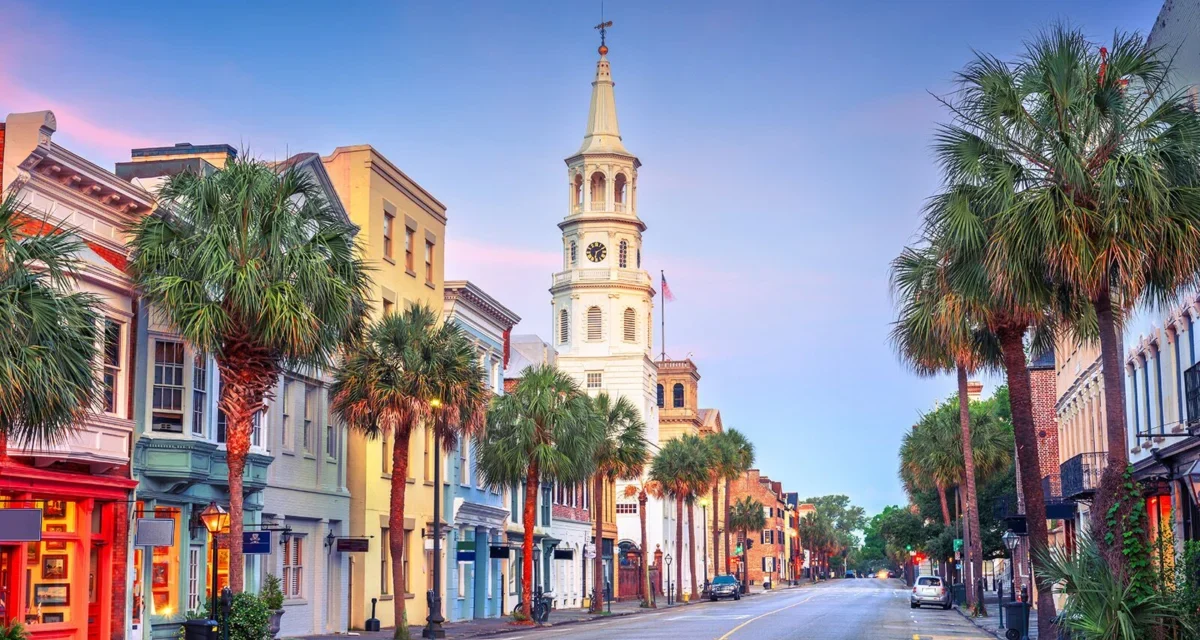




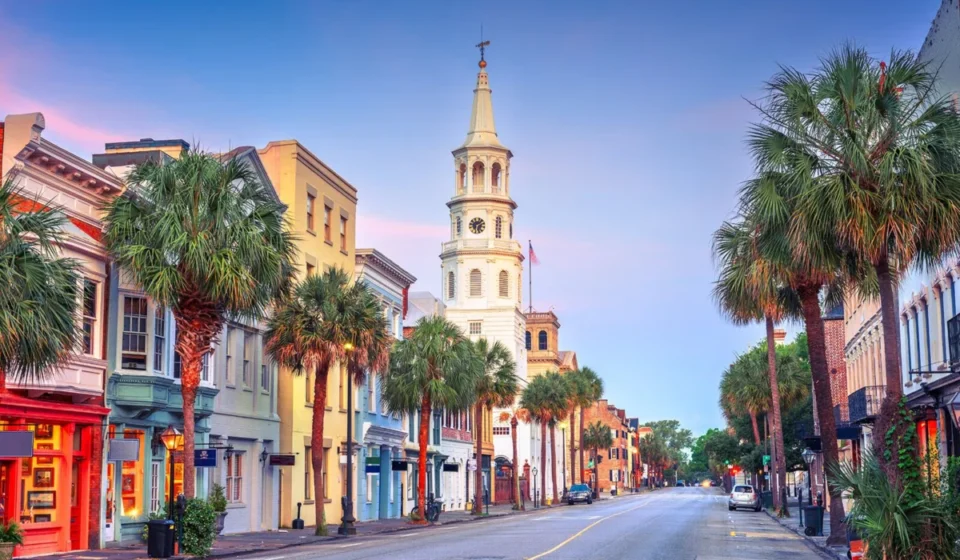

Nestled in the heart of Charleston’s storied Historic District, Hotel Operis has emerged as a beacon of modern hospitality, blending the city’s deep-rooted architectural traditions with a contemporary, high-touch guest experience. With 50 meticulously curated rooms and a location that places the best of the Lowcountry at one’s doorstep, the property is setting a new benchmark for boutique travel in South Carolina.
Main Facts: The Operis Identity
Hotel Operis occupies a unique niche in the Charleston market. By bridging the gap between historical reverence and modern luxury, it offers a sanctuary for those who seek the charm of the South without sacrificing the amenities of a high-end, urban retreat.
The property is defined by its duality: guests can choose between the vibrant energy of rooms overlooking the bustling streets of downtown Charleston or the serene, inward-facing accommodations that wrap around a sophisticated, art-filled atrium. Whether it is the bespoke Nespresso stations in every suite, the LATHER-branded botanical bath products, or the thoughtful inclusion of blackout curtains designed to mimic the traditional hospitality doors of historic Charleston homes, every detail serves a narrative purpose.
Nightly rates at the property begin at approximately $400, though this fluctuates significantly based on the seasonality of Charleston’s tourism cycle and specific room categorization.
Chronology of a Curated Stay
The essence of Hotel Operis is best understood through the rhythm of a three-day visit, where the hotel acts as both a base of operations and a destination in its own right.
Day One: Immersion and Intrigue
Arrival in Charleston is seamless; situated less than 20 minutes from the airport via rideshare, the hotel allows guests to transition from the bustle of travel to the calm of the Historic District almost instantly. After checking into a second-floor room overlooking Wentworth Street, the first order of business is often a sensory reset.
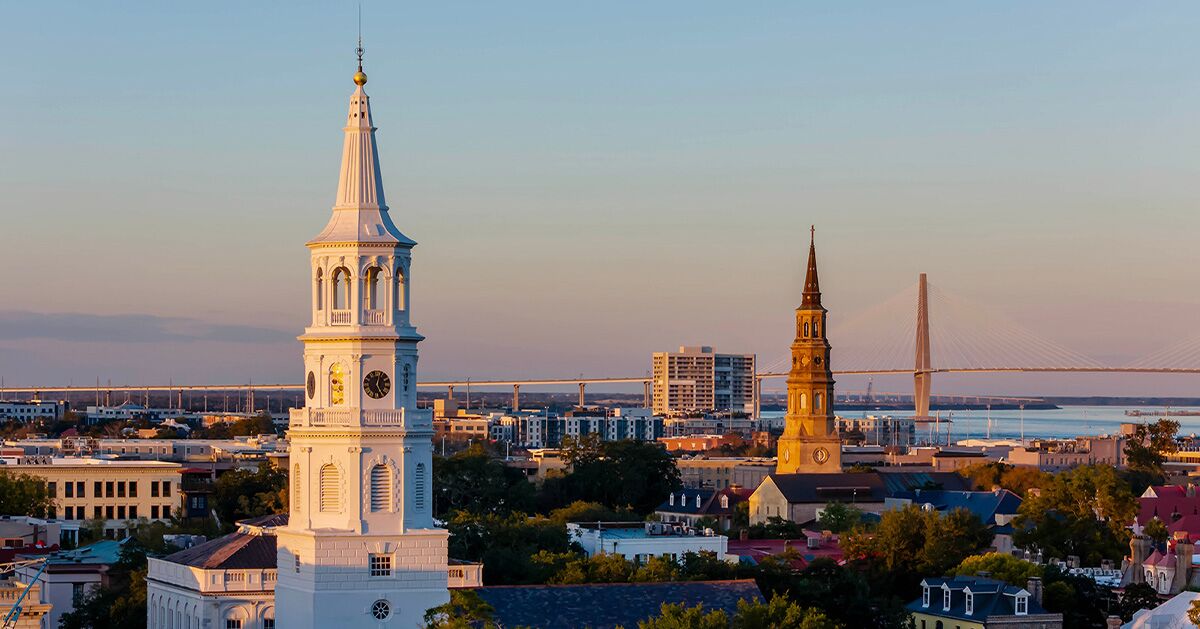
The morning is best spent in the wingback chair by the window, catching the soft, diffused morning light—a perfect setting for a quiet hour of reading. By midday, a stroll toward Rainbow Row and the iconic Pineapple Fountain at Waterfront Park provides a quintessential introduction to the city’s aesthetic. The evening is reserved for the darker side of history; a tour with Bulldog Tours offers a chilling, expertly narrated journey through local dungeons and cemeteries, providing a necessary counterpoint to the city’s polished, pastel-hued exterior.
Day Two: The Art of Craft and Consumption
The second day highlights the hotel’s commitment to "hands-on" hospitality. A morning breakfast at Café Lumen—featuring the signature chili-crisp-topped Morning Sandwich—serves as the perfect fuel for a carriage ride via Palmetto Carriage Works. This 1972-established institution provides an essential educational layer to the architecture viewed the day prior.
The afternoon shift is dedicated to creativity. A visit to Craft-DIY offers a tactile break from the humidity, where guests can fashion souvenirs like oyster-shell ring holders. However, the crown jewel of the guest experience is the signature wine-blending session led by resident sommelier Eric Simon. This intimate workshop allows guests to sample 2023 varietals from Mendocino, California, and engage in the alchemy of blending, ultimately resulting in a personalized bottle of wine to commemorate the stay.
Day Three: Culinary Exploration
The final day focuses on the epicurean landscape. A short walk to the historic City Market brings guests to Callie’s Hot Little Biscuit, where the sausage, egg, and pimento cheese biscuit stands as a testament to Southern culinary prowess. The day concludes with a reflection on the city’s evolution, from the traditional Italian fare at Le Farfalle—specifically the squid ink spaghetti—to the sophisticated, breezy atmosphere of the hotel’s own Arden Room rooftop restaurant.
Supporting Data: Culinary and Lifestyle Amenities
The hotel’s ecosystem is designed to minimize the need for external logistical planning.
- Dining Diversity:
- Café Lumen: The lobby-adjacent hub for morning coffee and light lunches.
- Arden Room: The rooftop venue featuring pork belly lettuce wraps and a curated Sancerre-forward wine list.
- Operis Wine Bar: An evening hotspot offering over 50 distinct labels and a robust late-night menu, including high-end bar bites.
- Off-Property Local Favorites:
- Circe’s Grotto: Essential for lunch; the Tommy McBee panini is a local staple.
- Le Farfalle: The gold standard for modern Italian in the area.
- Logistics: The hotel sits directly on the route for the DASH downtown shuttle, and its proximity to King Street renders a rental car entirely redundant for the duration of a standard stay.
Official Perspectives: The Sommelier’s Vision
During the blending session, resident sommelier Eric Simon emphasized that the hotel’s programming is intended to be educational rather than purely recreational. "We aren’t just selling a place to sleep," Simon noted during the session. "We are providing a toolkit for guests to understand the terroir of the wine they are drinking and the history of the city they are walking through."
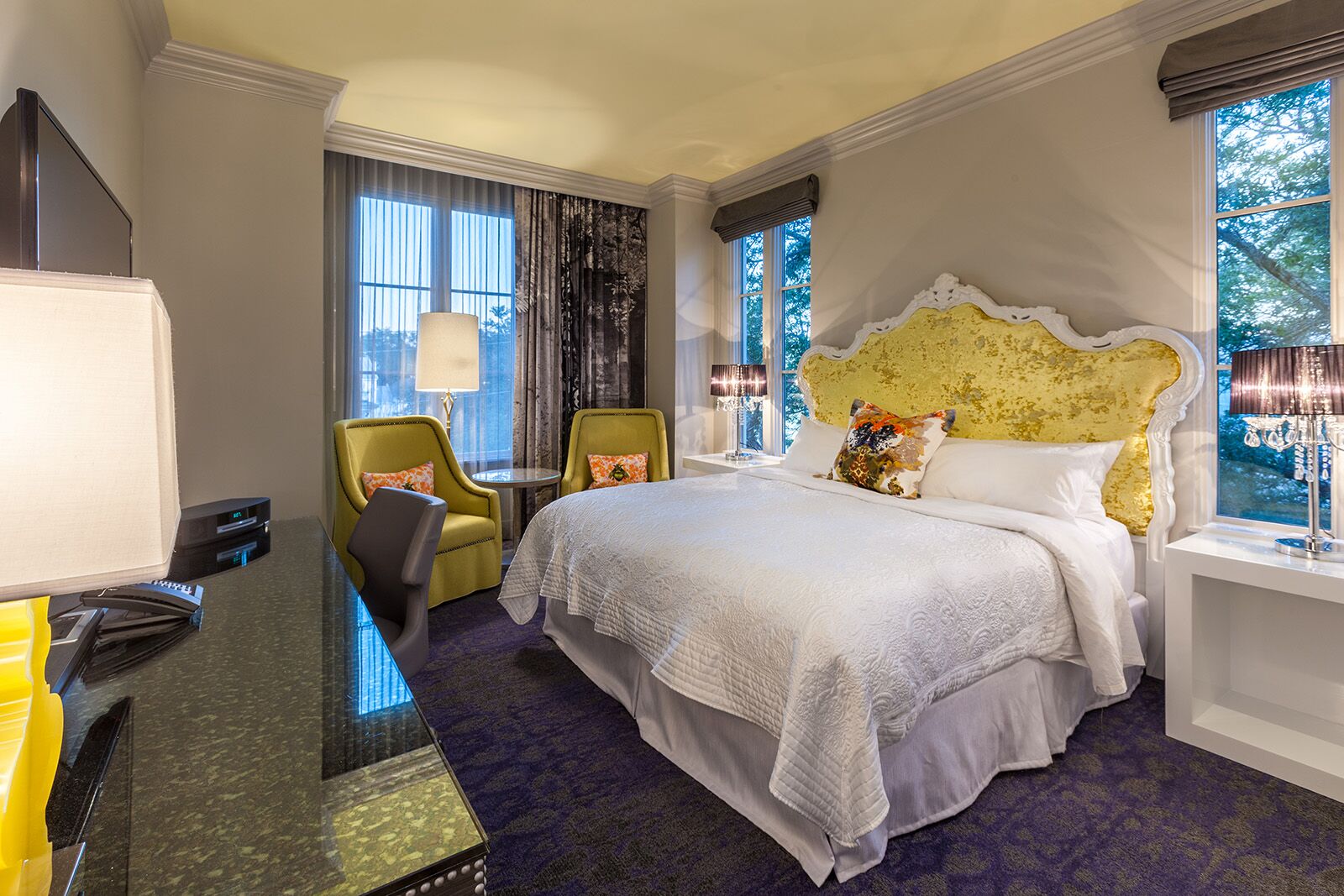
This philosophy permeates the hotel’s art program as well. By sourcing works from local Charleston galleries, the management ensures that the interior design serves as a living gallery, connecting the guest directly to the current pulse of the local creative community.
Implications for the Charleston Tourism Market
The success of Hotel Operis signals a shifting trend in luxury travel. Modern travelers are moving away from the "anonymous luxury" of large chain hotels and toward properties that offer a "hyper-local" identity.
Economic Impact
By encouraging guests to utilize local carriage tours, nearby independent bistros, and local craft studios, Hotel Operis effectively acts as a gateway for the broader Charleston economy. The hotel’s reliance on the city’s existing infrastructure—such as the DASH transit system—also aligns with growing urban goals regarding sustainability and the reduction of traffic congestion in the historic core.
Competitive Positioning
As competition among boutique hotels in the Southeast intensifies, Hotel Operis has secured its position through "surprise and delight" elements—such as the lobby chocolate chip cookies or the historical nuances of the blackout curtains. These small, human-centric touches are becoming the primary metrics by which travelers evaluate their satisfaction, often outweighing standard luxury amenities like thread counts or marble finishings.
Future Outlook
With its 50-room capacity, the hotel maintains an intimate scale that is increasingly rare. As Charleston continues to grow as a premier destination for both domestic and international travelers, the demand for this specific brand of "intellectual hospitality" is expected to rise. The hotel’s ability to weave together wine education, historical tours, and local gastronomy suggests a scalable model for other boutique hoteliers looking to capture the "authentic traveler" market.
In summary, Hotel Operis is more than a room for the night; it is a curated lens through which to experience the complex, beautiful, and sometimes haunting history of Charleston. For the visitor who values accessibility, education, and the comfort of a well-poured glass of wine, it remains the premier choice in the heart of the Lowcountry.