























































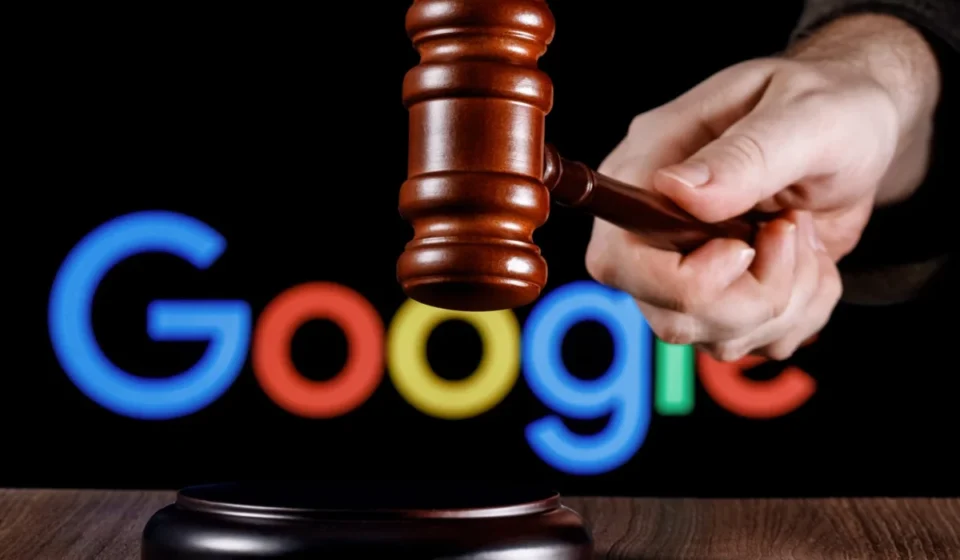

In a significant legal development that could redefine the boundaries of data ownership and the training of artificial intelligence, a U.S. District Court judge has dismissed a high-profile lawsuit filed by Google against SerpApi. The case, which centered on the unauthorized scraping of Google’s search results for AI training purposes, ended in a decisive setback for the tech giant.
Judge Yvonne Gonzalez Rogers of the Northern District of California ruled that Google failed to provide sufficient evidence that the information being scraped—search engine result pages—was protected by copyright. This decision represents a potential turning point in the escalating tension between major search platforms and the emerging companies that facilitate data acquisition for large language models (LLMs).
The Core Facts: A Battle Over Search Data
The dispute began when Google, acting as a gatekeeper of global web information, initiated legal action against SerpApi, a service that provides developers with structured data derived from search engine results. Google’s primary contention was that SerpApi’s activities constituted a violation of the Digital Millennium Copyright Act (DMCA).
Specifically, Google alleged that by bypassing its security measures and scraping the content of its search result pages, SerpApi was circumventing technological barriers intended to protect intellectual property. Furthermore, Google argued that the act of providing tools to scrape this data amounted to the "trafficking" of unauthorized services, a direct violation of the DMCA’s anti-circumvention provisions.
However, Judge Rogers found these arguments unpersuasive. The court underscored a fundamental principle of copyright law: facts and search results, which are effectively listings of information, do not inherently possess the creative spark required for copyright protection. Moreover, the judge noted a glaring absence in Google’s legal standing: the company failed to demonstrate that it had the authority from the original copyright holders—the websites whose content appears in the search results—to enforce those copyrights against third-party scrapers.
Chronology of the Dispute
To understand the gravity of this dismissal, one must look at the timeline of events that led to the courtroom clash:
- December 2023: Google formally files suit against SerpApi. The tech giant framed the lawsuit as a defensive measure intended to protect the rights of content creators and website publishers from unauthorized scraping, which Google argued could degrade the ecosystem of the open web.
- February 2024: SerpApi countersues and files a motion to dismiss, arguing that Google’s claims were legally unfounded. The defense posited that the information provided in search results is largely public domain, rendering Google’s claims of copyright infringement "baseless and anti-competitive."
- Late Spring 2024: The parties engage in extensive briefings, with Google doubling down on its interpretation of the DMCA and SerpApi emphasizing that search results are merely pointers to information, not copyrighted works themselves.
- Current Week: Judge Yvonne Gonzalez Rogers issues her ruling, granting the motion to dismiss and delivering a stinging critique of Google’s legal strategy.
Supporting Data and Legal Precedents
The legal struggle highlights a complex intersection of the DMCA and the realities of modern web infrastructure. The DMCA was designed to prevent the unauthorized copying of creative works—films, music, software, and literary texts. Google’s attempt to extend this protection to the structure and compilation of search results tested the limits of current legislation.
SerpApi’s defense focused on the distinction between the underlying content of a website and the search result page generated by an algorithm. They argued that if a search result page—a collection of titles, URLs, and snippets—were copyrightable, it would grant Google a monopoly over the very act of indexing the internet.
Judge Rogers’ ruling hinges on the concept of "standing." In U.S. law, a plaintiff must demonstrate that they have a legal right to sue on behalf of a claim. Because Google could not prove that it represented the interests of the individual websites being scraped, the court concluded that Google was essentially trying to enforce copyrights that it did not own.
Official Responses and Stakeholder Perspectives
The industry reaction to this ruling has been polarized. For AI startups and data scraping services, the decision is seen as a victory for the "open web." By limiting the ability of dominant platforms to lock down search data, the ruling potentially preserves a pathway for developers to access public information necessary for training AI models.
Google’s Stance:
Google maintains that it is acting in the interest of the broader internet ecosystem. Their representatives have previously argued that unregulated scraping threatens the quality of search experiences and harms the publishers who rely on traffic from Google. A spokesperson for Google stated, "We are evaluating the court’s decision and will determine our next steps accordingly."
SerpApi’s Perspective:
The company has celebrated the ruling as a validation of its business model. Their legal team argued that the lawsuit was an attempt to stifle competition by using the DMCA as a shield for proprietary control over publicly accessible information. By providing structured access to search data, they claim to be an essential tool for developers and researchers.
Implications for the Future of AI and the Web
This case is merely one front in a much larger war. As AI models require increasingly massive datasets to improve their accuracy and reasoning capabilities, the tension between data providers (like Google, Reddit, and various publishers) and AI developers (like OpenAI, Anthropic, and independent scrapers) will only intensify.
1. The Erosion of the "Walled Garden"
If major platforms like Google lose their ability to use copyright law to prevent scraping, we may see a transition toward contractual and technical barriers. Expect search engines to implement more aggressive CAPTCHA challenges, IP-rate limiting, and legal terms of service updates that strictly prohibit automated access.
2. The Burden of Proof
The court’s requirement for Google to amend its complaint—specifically to prove they are acting on behalf of copyright holders—sets a high bar for future litigation. It suggests that tech giants cannot simply act as "copyright vigilantes." They must demonstrate clear authorization or ownership, which is a difficult task when dealing with millions of disparate web pages.
3. The Future of Search Competition
The ruling could lead to a proliferation of alternative search aggregators. If search results are legally considered "unprotected" data, it lowers the barrier to entry for new competitors who wish to build their own search indexes or AI training datasets without fear of immediate litigation from market incumbents.
What Comes Next: The 21-Day Window
The court has granted Google 21 days to amend its complaint. This window provides the company with a final opportunity to rectify the shortcomings identified by Judge Rogers. To succeed in an amended complaint, Google would need to:
- Identify specific copyright holders who have granted Google the legal authority to sue on their behalf regarding the scraping of their content.
- Demonstrate that the "technological measures" (such as blocking scripts) that SerpApi bypassed were intended specifically to protect copyrighted material, rather than just acting as a mechanism for traffic control.
If Google fails to meet these criteria, the case will likely be dismissed with prejudice, meaning it cannot be brought back to court in its current form.
Final Thoughts
This case serves as a stark reminder of the limitations of existing legal frameworks when applied to the rapidly evolving AI landscape. The DMCA, drafted in 1998, was never intended to address the complexities of modern web scraping for machine learning. As the court processes the next steps in this case, the tech industry is watching closely. The outcome will not only determine the fate of SerpApi but could signal a broader shift in how the internet is indexed, accessed, and used for the next generation of artificial intelligence.
For now, the balance of power remains in flux. While Google holds the resources to continue this legal battle, the court’s skepticism regarding the scope of copyright in search results indicates that the "open web" may have won a vital, albeit temporary, reprieve. The next three weeks of legal maneuvering will be critical, potentially setting a precedent that will define the digital economy for years to come.