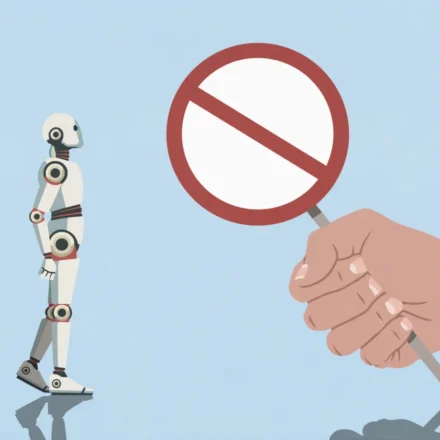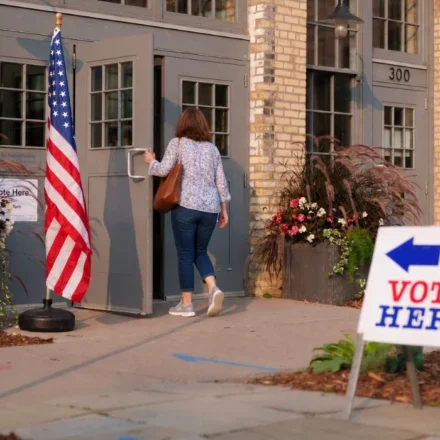






















































The Ethics of Abstinence: Why Some Employees Are Seeking Religious Exemptions from AI

As artificial intelligence permeates every corner of the modern workplace—from drafting emails to writing complex software—a new frontier of labor rights and conscientious objection has emerged. While religious leaders like Pope Francis have long issued warnings regarding the potential erosion of human dignity at the hands of automated systems, the conversation has moved from theological discourse to the human resources department.
David Durman, an administrator at the University of Kentucky and a committed Humanist, has recently secured a formal workplace accommodation exempting him from the use of AI. His case marks a significant milestone in the intersection of secular philosophy, labor law, and the rapid, often uncritical, adoption of generative AI tools in professional environments.
The Core Conflict: Humanism vs. Automation
For David Durman, the issue is not merely one of professional preference, but of fundamental belief. Humanism, as a secular framework, posits that human flourishing is the ultimate goal of existence. It emphasizes the importance of the human mind, individual agency, and the development of critical thinking as the primary vehicles for moral growth.
"Humanism is a collection of beliefs about the human experience and how humans interact with the world," Durman explained in an interview. "It centers on human well-being and flourishing, both individually and collectively. It implores a person to try to improve both their well-being and their flourishing as well as the others around them."
Durman argues that the delegation of intellectual labor to AI models creates a dangerous dependency. By offloading cognitive tasks to algorithms, he believes humans are effectively outsourcing the very processes that make them "moral actors." When critical thinking is diminished by the convenience of automation, the individual’s capacity to navigate complex ethical landscapes is stunted.
Beyond the philosophical, Durman’s objections are grounded in practical concerns that have gained traction among AI skeptics: the exploitation of human creativity, the displacement of workers, and the staggering environmental cost of maintaining massive data centers required to power these models.
Chronology: A Precedent for Conscience
The legal path to this accommodation was neither straightforward nor swift. Durman sought the guidance of the American Humanist Association (AHA), a nonprofit organization dedicated to advancing secular, non-theistic worldviews.
The strategy was modeled after a similar, pioneering case: that of Erin Maus. A software engineer and Unitarian Universalist, Maus made headlines when she successfully negotiated a workplace exemption from using AI, an act that is particularly radical in the field of software development, where AI-assisted coding is increasingly becoming the industry standard.
Following the success of the Maus case, Durman approached his employer, the University of Kentucky. He sought to preemptively establish his right to abstain from AI use. While he has not yet been mandated to use these tools in his administrative role—which involves supporting researchers with grant applications—he recognized that as workplace culture shifts, the "suggestion" to use AI could quickly transition into a requirement. By securing this exemption now, Durman has protected his right to continue his professional duties through human effort alone.
Supporting Data and the Legal Framework
The legal basis for these exemptions rests on the principle of "reasonable accommodation." In the United States, employers are generally required to provide accommodations for employees whose sincerely held religious or moral beliefs conflict with work requirements, provided those accommodations do not impose an "undue hardship" on the employer.
Alexandria Huiskens, a Staff Attorney at the American Humanist Association, emphasizes that these protections are not reserved for those who hold traditional religious views. "Concern about AI and human dignity can run through several different faiths and traditions, whether that’s Catholic teachings, or Universalism, or Humanism," Huiskens noted. "We want Humanists or nontheists to know that they fall into these categories—that they are also protected by the law at work."
The precedent is critical because it validates non-theistic beliefs as a legitimate basis for legal protection. By establishing that a secular commitment to human agency and the rejection of automated labor can be categorized as a "sincerely held belief," the AHA is expanding the scope of how workplace discrimination laws are interpreted in the age of Silicon Valley’s rapid automation.
Institutional Responses: The University’s Perspective
The University of Kentucky’s handling of Durman’s request highlights the pragmatic, case-by-case nature of current corporate and academic policy. Jay Blanton, a spokesperson for the university, noted that the institution reviews all requests for religious or conscientious accommodation based on the specific job functions and the operational impact of the request.
"In this case, the university determined that an accommodation could be provided while allowing the employee to continue performing the essential functions of their position," Blanton stated. "As technology and job responsibilities evolve, accommodations may be reviewed to ensure they remain reasonable and workable."
This response suggests that for many institutions, the "undue hardship" threshold has not yet been crossed. Because Durman’s role is administrative rather than purely technical, the university concluded that he could maintain his productivity without the aid of generative AI. However, the caveat regarding the evolution of "job responsibilities" leaves the door open for future conflict, particularly if AI integration becomes deeply embedded in university administrative workflows.
Broader Implications: The Future of the Human Workforce
The implications of the Durman and Maus cases extend far beyond the individual workers involved. They signal the beginning of a cultural and legal pushback against the "inevitability" of AI.
1. The Right to Human-Centric Labor
As companies continue to integrate AI, the expectation of "human-only" work may become a sought-after professional niche. If an increasing number of employees view AI usage as a violation of their core ethical values, corporations may face a surge in accommodation requests. This could lead to a two-tiered workforce: those who utilize AI to maximize speed and volume, and a "human-only" class that focuses on oversight, ethics, and manual craftsmanship.
2. Redefining "Essential Functions"
The legal battleground will likely shift to the definition of "essential functions." If a company decides that using AI to generate reports is an essential function of an administrator, the legal debate will focus on whether that tool is truly essential or simply a convenient efficiency. If the law sides with the employee’s right to abstain, it could force companies to provide alternative workflows, potentially slowing the pace of AI adoption in corporate environments.
3. Ethical Diversity in the Workplace
The success of these exemptions highlights the need for organizations to foster "ethical diversity." Much as companies strive to be inclusive of various cultural and religious backgrounds, they may soon need to develop policies that respect "techno-ethical" boundaries. This would involve creating spaces where employees can express discomfort with emerging technologies without fear of professional reprisal.
4. The Secular Challenge to Tech Hegemony
Perhaps most significantly, the involvement of the American Humanist Association signifies that the critique of AI is no longer a purely religious or "luddite" movement. It is a sophisticated, philosophical challenge to the narrative that technology is value-neutral. By arguing that AI is not just a tool but a medium that alters the human experience, these workers are inviting a much-needed public debate on the cost of convenience.
Conclusion: A Precedent for Personal Integrity
David Durman’s decision to secure a formal exemption serves as a call to action for other workers who feel a similar disconnect between their values and the tools they are expected to use. While he stresses that he is not attempting to dictate how others should work or think, his public stand provides a template for others to follow.
"I’m obviously not trying to tell people how to think or feel," Durman said. "But I do hope that it encourages people who have similar concerns to pursue not necessarily religious exemption, but pursue their concerns to the best of their ability where they feel is the most appropriate."
As AI continues to be deployed across industries, the tension between efficiency and ethics will only grow. The cases of individuals like Durman and Maus remind us that at the center of every algorithm, every prompt, and every automated workflow, there is a human actor. Ensuring that those actors have the agency to choose—and the legal backing to abstain—is perhaps the most important check and balance in the digital age.
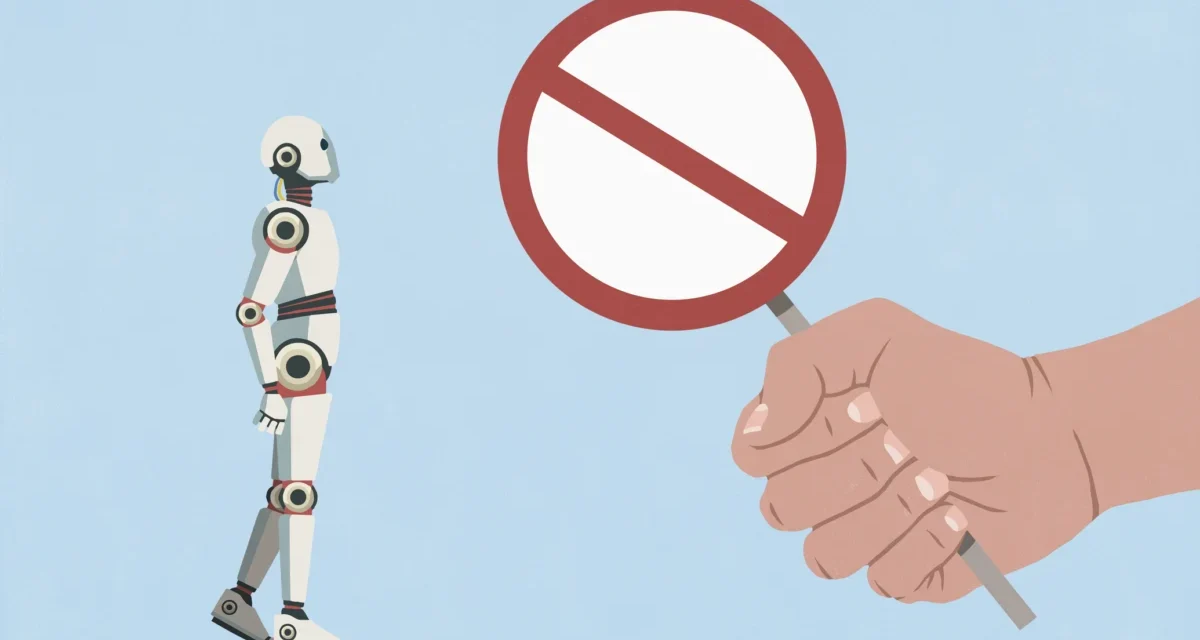
Whether these accommodations will remain feasible in a future dominated by AI, or whether they will necessitate a fundamental restructuring of job descriptions, remains to be seen. For now, the legal system has affirmed that in the race toward total automation, the human conscience still holds the right to hit the brakes.